
By Sion Dettra
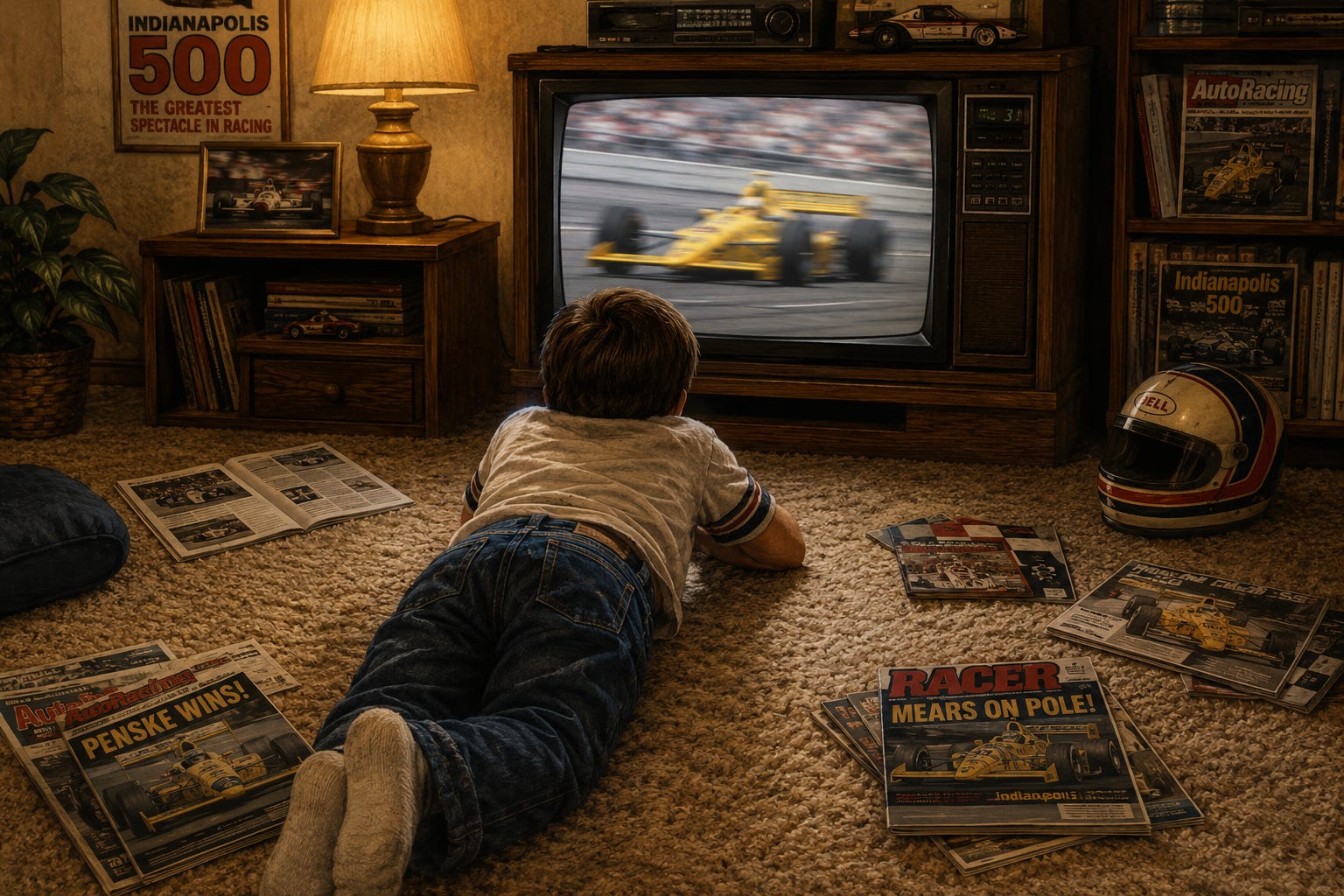
Growing up in Texas during the 1980s, my world revolved around racing. I wasn’t just another fan, I lived it. While other kids dreamed of playing professional football or baseball, I dreamed of becoming an Indy car driver.
That dream began behind the wheel of a quarter midget. Under my dad’s patient guidance, I came to know that little race car from top to bottom. During the week we tore the car down, rebuilt it, maintained it, checked every nut and bolt, and prepared it for the next race. Long before I understood engineering or mechanics in any formal sense, I was learning one of racing’s greatest lessons: speed isn’t created on race day. It’s created in the garage.
Looking back now, I realize my father wasn’t simply teaching me how to work on a race car, he was teaching me responsibility, patience, and that excellence is earned through countless small details that nobody else ever sees.
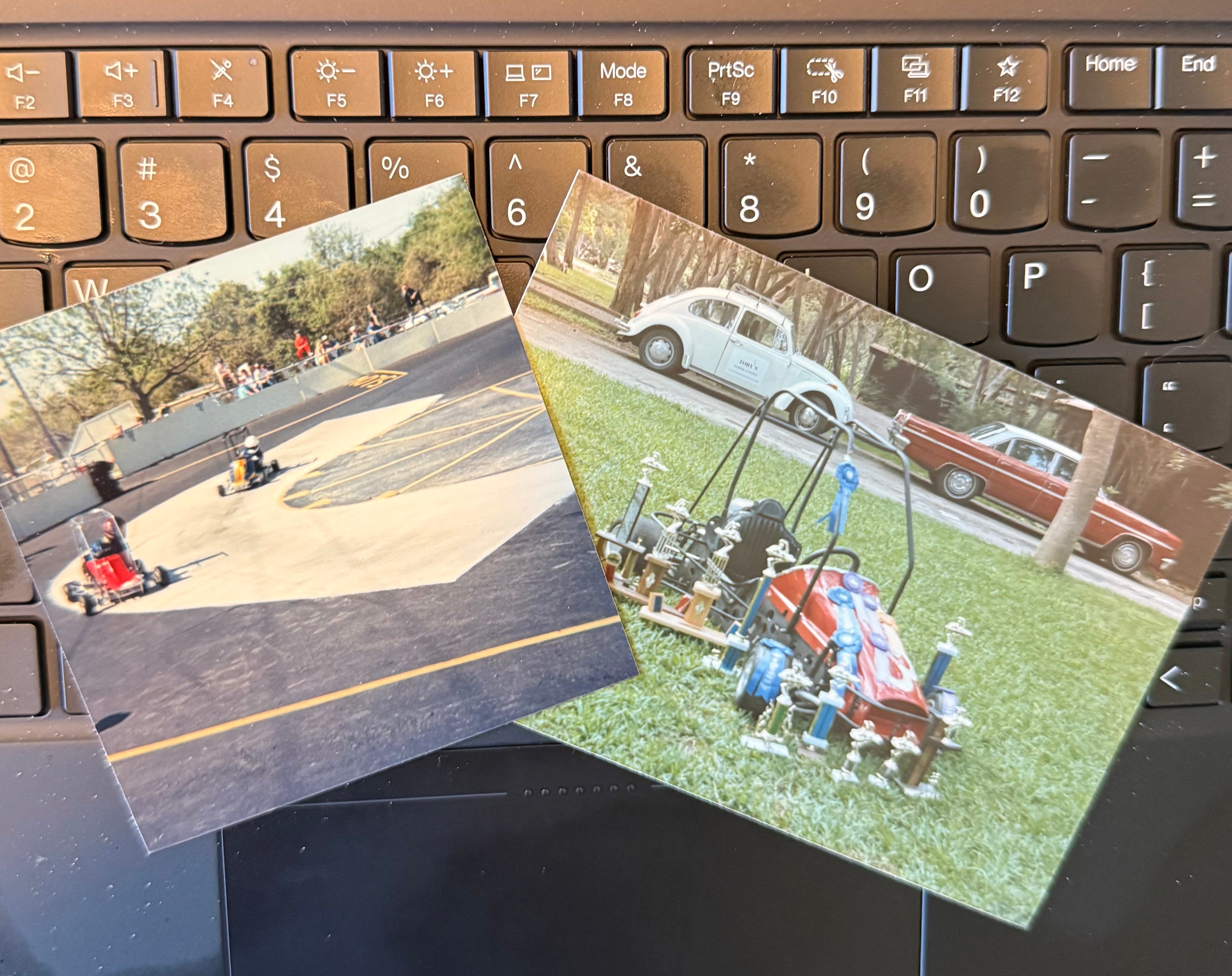
I raced passionately. I ate, drank, and slept racing. Every racing magazine I could get my hands on was read cover to cover. Every race on television was an event. Every spare moment was spent imagining that someday I’d be the one climbing into an Indy car at Indianapolis.
When you’re a kid, dreams don’t recognize budgets, sponsorships, or the thousands of talented drivers who never make it to the Indianapolis 500. They simply feel inevitable. And every May, that dream grew a little stronger.
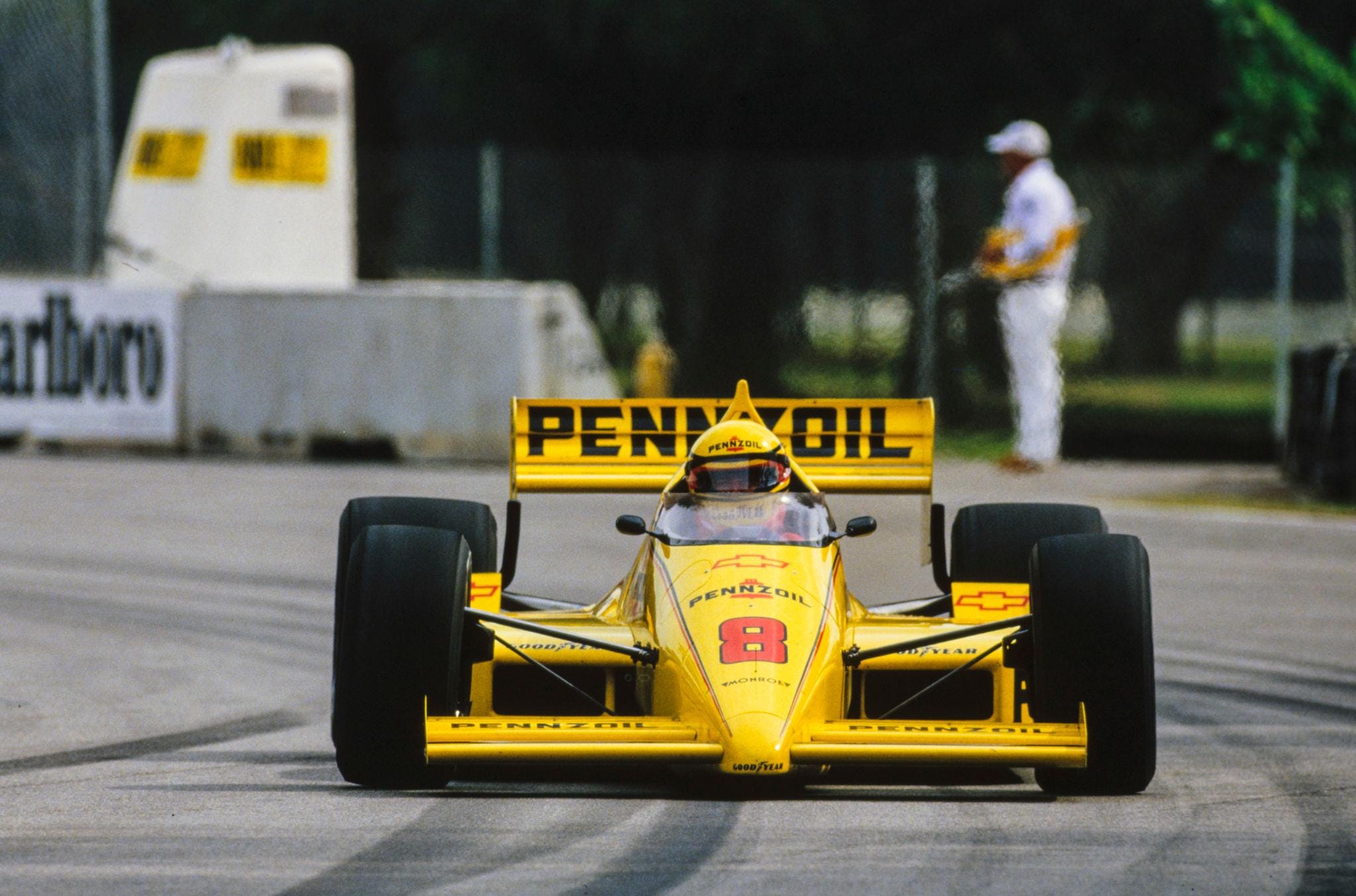
One memory has stayed with me more vividly than almost any other from my childhood. It was the 1984 Indianapolis 500. I can still picture myself lying on the living room floor, completely absorbed by the television. I wasn’t casually watching the race while something else was going on. My eyes never left the screen. For a few hours that afternoon, nothing else in the world existed except the Indianapolis Motor Speedway, the bright yellow Pennzoil Penske, and Rick Mears behind the wheel. When he crossed the finish line to win, I celebrated as though someone I knew personally had just accomplished something extraordinary.
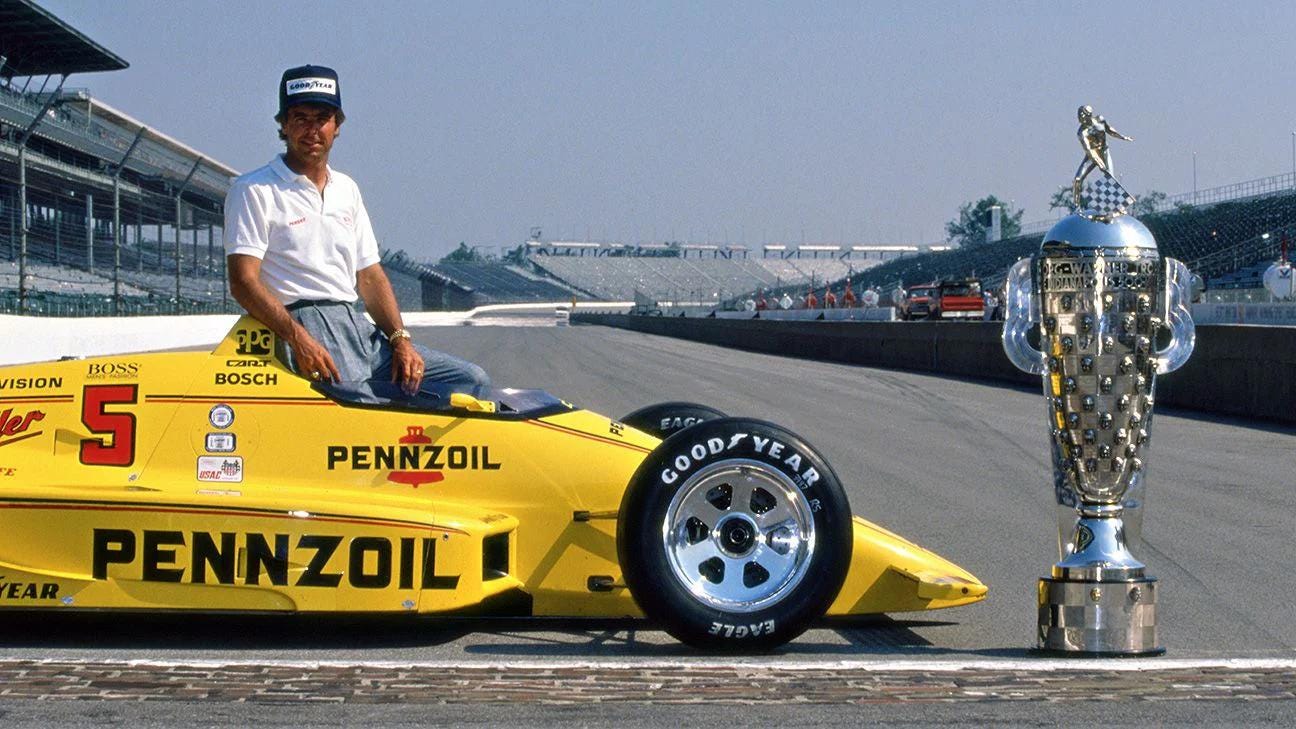
Of course, Rick Mears had no idea that somewhere in Texas a young boy was cheering for him with every ounce of enthusiasm he could muster. But that’s the remarkable thing about childhood heroes. They shape lives they’ll never know they touched.
I didn’t just admire Rick because he’d won multiple Indianapolis 500s or because he was already becoming one of the greatest drivers in the sport’s history, although that was a big part of it. I loved that Yellow Penske. To this day, I still think it’s one of the most beautiful race cars ever built. The brilliant yellow bodywork. The bold red numbers. The impossibly clean lines. Even standing still, it looked fast.
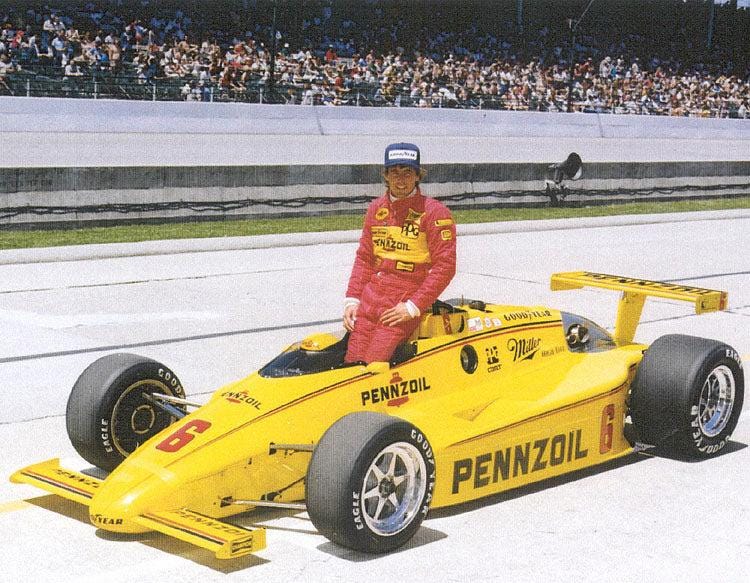
And then there was the way Rick Mears drove it. Mears made speed look almost effortless. There was no unnecessary drama. No wild corrections. Just smooth, deliberate precision.
As I grew older, I began to understand why so many people admired him. He wasn’t the loudest personality in the paddock. He didn’t seem interested in becoming a celebrity. He simply did his job with extraordinary precision. His greatness wasn’t built on spectacle. It was built on discipline. On humility. On doing difficult things so well that they appeared almost effortless.
Driving for Team Penske, he won four Indianapolis 500s, captured six pole positions at the Speedway, and established himself as one of the greatest qualifying drivers the sport has ever known.
Like so many childhood dreams, mine slowly gave way to adulthood. I never became an Indy car driver. Instead, life unfolded a much different way. I served in the military. I raised kids. I built a career in the film industry. There were mortgages to pay, bills to meet, responsibilities to shoulder, and all the ordinary realities that eventually reshape our priorities.
Somewhere along the way, racing quietly slipped into the background. Not because I stopped loving it. Life simply became busy. Years passed. Then something unexpected happened.
An old Formula race car found its way into my garage. A 1990 Elden FF2000. The car wasn’t just a means to get back to racing; It was reconnecting me with the little boy who once lay on the living room floor watching the Indianapolis 500.
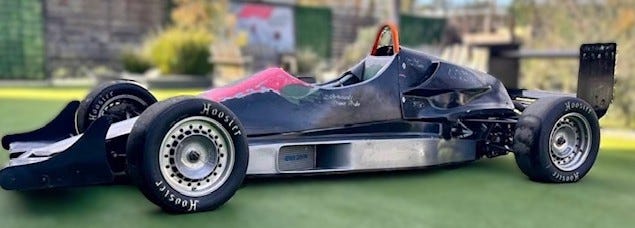
As I began restoring it, I found myself turning wrenches with the same curiosity I had as a kid working beside my father. I became fascinated by its engineering, its history, and the people who designed, constructed, and raced it. I realized that what I loved wasn’t simply driving. I loved the craftsmanship. The stories. The community.
Lately I’ve caught myself thinking about how the car should look when the restoration is finally complete. There are countless iconic liveries in motorsport history. Yet my thoughts always drift back to one. The Yellow Penske. Not because I want to build a replica; and not because I expect anyone else to understand. But because that car represents the moment I fell in love with racing.
If the Elden eventually wears a rich yellow livery with red numbers, it won’t be an attempt to recreate Rick Mears’ race car. It will simply be my way of saying thank you. A quiet tribute to a childhood hero who unknowingly inspired a young boy to dream big.

I’ve never had the opportunity to meet Rick Mears. I hope someday I do. Not because I need an autograph. Not because I want a photograph. But because I’d simply like to shake his hand and thank him. Thank him for showing an entire generation that greatness doesn’t have to be loud. That humility and excellence can live comfortably together. And that sometimes the people who influence our lives the most never realize they were doing it.
More than forty years have passed since I watched Rick Mears win the Indianapolis 500 from the living room floor of our home in Texas.
For a long time, I thought that the racing dream had simply faded away. Now I realize it never really disappeared. It was just waiting. Waiting until the right season of life. Waiting until I was old enough to appreciate that racing isn’t only about winning races. It’s about craftsmanship, history. people, machines., journeys, and the dreams that quietly shape us long before we understand where they’re leading.
Looking at the Elden sitting in my garage today, waiting patiently for the next phase of its restoration, I sometimes think about that little boy watching the Yellow Penske disappear into Turn One at Indianapolis. He never became Rick Mears. Life had other plans. But somehow, after all these years, he found his way back to racing.
And perhaps that’s what childhood heroes really leave us with. Not a career. Not a trophy. But a compass. Something inside us that quietly points us home, even after we’ve wandered away for years.
Watching racing can provide lessons for life: preparation, patience, precision and responsibility learned in the garage, along with the humility and quiet excellence embodied by people like Rick Mears, can carry far beyond the track. Sometimes the value of a childhood passion is not whether you eventually become what you dreamed of becoming, but what that passion teaches you about how to live.