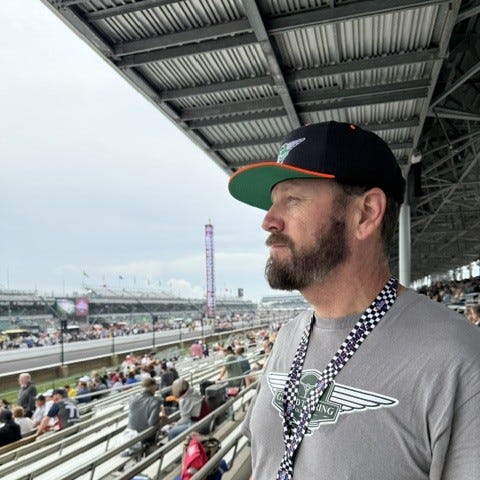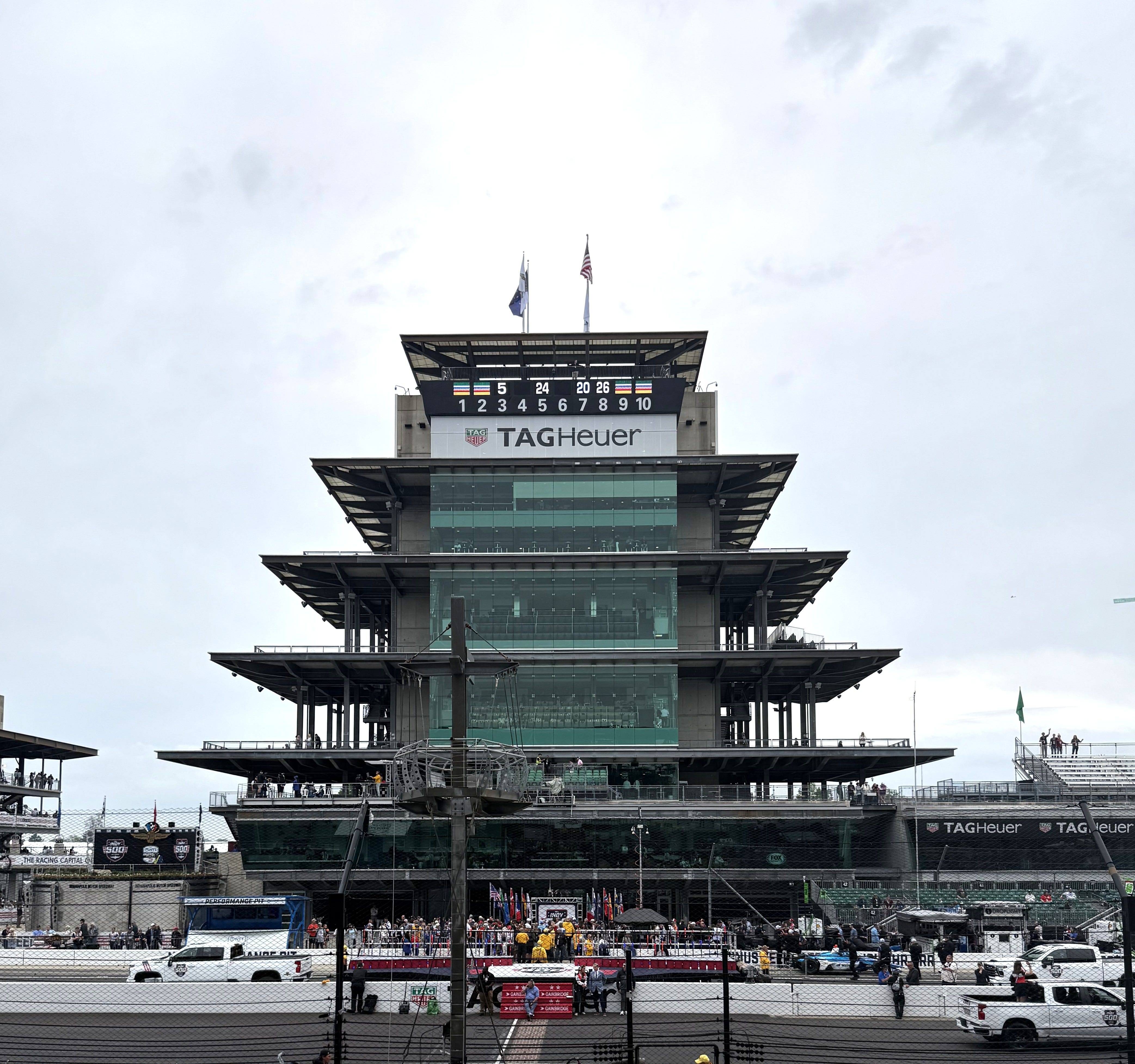
At about 6:30 on race morning, my wife and I exited an UBER and found ourselves walking toward Indianapolis Motor Speedway gates.
For months, I had been preparing for this trip. I had researched seating options, studied maps, booked flights and hotels, talked with veteran attendees, and written a detailed first-timer’s guide for The Grand Touring Journal. By the time race weekend arrived, I felt as prepared as I could possibly be.
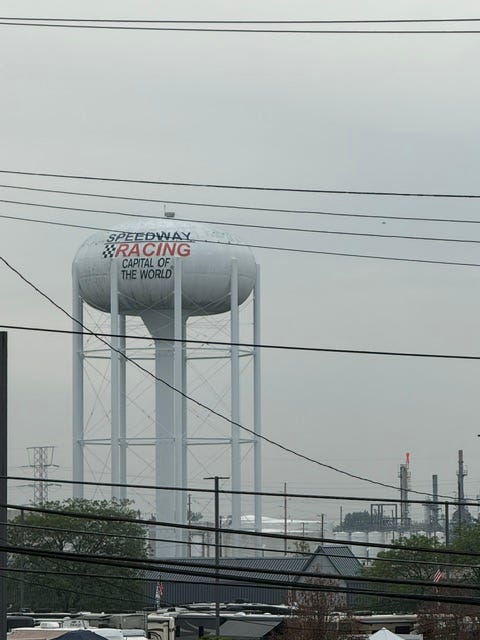
As someone who has spent a lifetime around motorsports, I tried to keep my expectations in check. Could Indy live up to the hype?
I’ve attended other Indy Car Races, IMSA events, historic racing festivals, endurance classics, and countless other racing weekends.
Then I spent a day at Indianapolis Motor Speedway.
The truth is — Indianapolis lives up to its description as The Greatest Spectacle in Racing.
More Than Just Another Sporting Event
The first thing that struck me was the atmosphere.
Not the size of the crowd, although seeing hundreds of thousands of people streaming toward the Speedway is certainly impressive. It was the mood. People were excited, but relaxed. Friendly. Happy to be there.
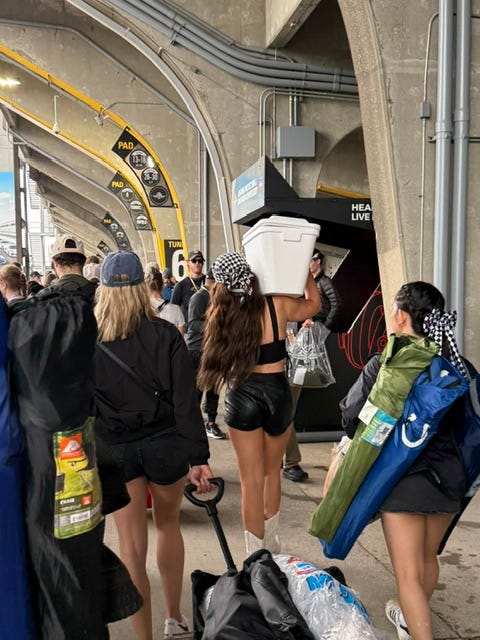
As we walked through the gates and eventually climbed into our seats in Paddock 23, I kept waiting for the frustrations that typically accompany major sporting events. Long lines. Overpriced concessions. Cramped seating. Harried staff. Aggressive Fans. The usual reminders that you’re one of tens of thousands of customers being processed through a venue.
They never came.
The food and drink prices were surprisingly reasonable. The grandstands were comfortable. Even with a sold-out crowd, there was enough room to store my backpack and cooler without feeling like I was negotiating territory with the people around me.
That may sound like a small detail, but anyone who attends live events regularly understands how rare it has become.
Indianapolis felt designed for people to enjoy themselves.
What a concept.
The Keepers of the Tradition
Casually exchanging “hellos,” with the people around us, I started to realize that many weren’t occasional attendees; they were regulars. Not regulars in the sense that they had attended a few races. Regulars in the sense that Indianapolis had become part of their family history.
One gentleman I met while standing in line told me his grandfather had originally purchased their seats decades ago. The family had maintained them ever since. Another fan explained that he had been attending for fourteen consecutive years after being introduced to the race by family members.
At Indianapolis, many seat holders maintain rights to their seats year after year. Families pass them down to children and grandchildren. Entire sections are filled with people who have been sitting in roughly the same place for years.
That creates an atmosphere unlike anything I’ve experienced elsewhere. The race isn’t simply an event they attend; it’s a tradition they inherit.
The crowd reflected that reality. For an event drawing more than 350,000 people, the behavior was remarkable. Fans were respectful. Conversations were easy to start. It felt less like attending a major sporting event and more like being welcomed into a community.
A Century of History Comes Alive
One of my favorite moments occurred before the race even began.
As the grandstands filled and anticipation continued building toward the start, a collection of historic Indianapolis 500 race cars rolled onto the track for the annual Historic Car Lap.
For racing fans, it was spectacular. These weren’t replicas. These weren’t static displays. These were genuine Indianapolis race cars spanning more than a century of competition.
The lineup stretched from a 1912 National—the car that won the Indianapolis 500 with Joe Dawson—to Dario Franchitti’s 2010 Target Chip Ganassi Racing winner.
Mario Andretti drove a 1925 Miller Special. Sam Hornish Jr. piloted a 1951 Kurtis-Kraft. Kenny Bräck drove A.J. Foyt’s 1961 Indianapolis-winning machine.
For me, however, the highlight was seeing Bobby Rahal back behind the wheel of his red 1986 Indianapolis 500-winning March. Like many racing fans of my generation, Bobby Rahal was one of the drivers I watched growing up. Seeing him circle the Speedway in the very car that earned his victory connected the modern event to the history I remembered from childhood.
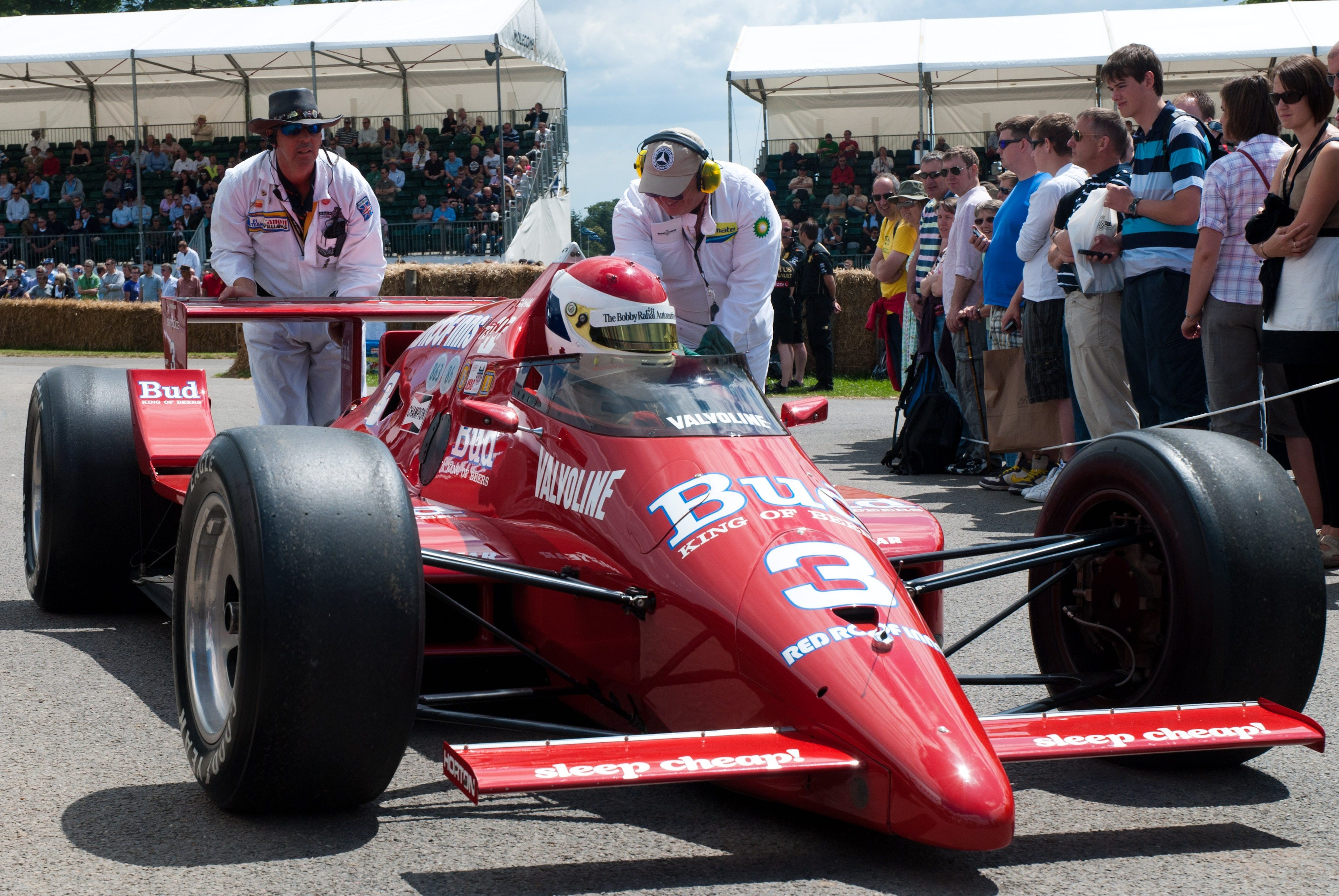
The entire presentation felt authentic. Not corporate. Not manufactured. Just a genuine celebration of the people and machines that built Indianapolis into what it is today.
Memorial Day Means Something Here
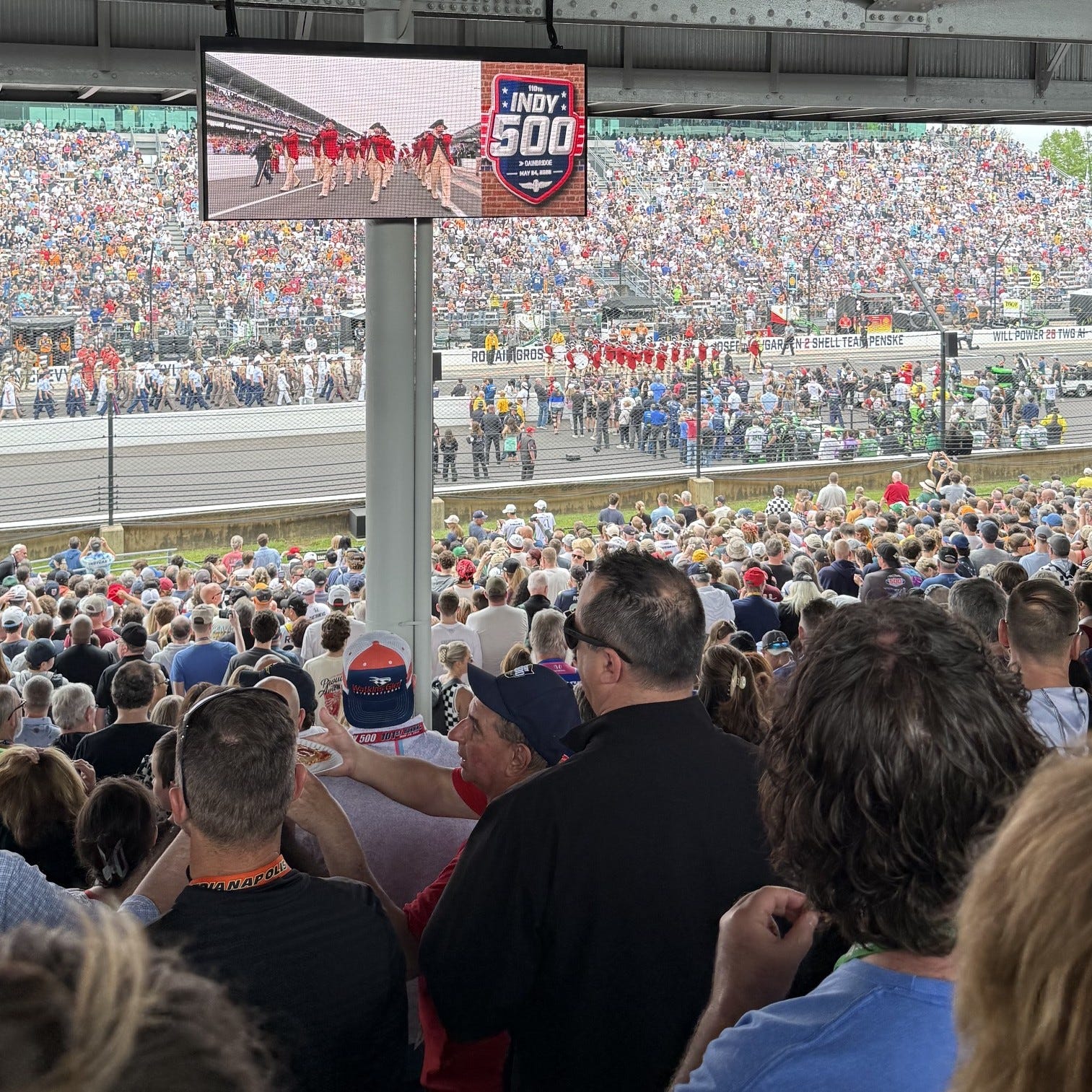
The emotional high point of the day arrived shortly before the race itself. As both an Army and Navy veteran, I’ve attended countless military ceremonies over the years. Some are meaningful. Some are obligatory.
What happens at Indianapolis belongs firmly in the first category. The Memorial Day tributes felt sincere from beginning to end.
Standing among hundreds of thousands of people as the ceremonies unfolded, I found myself unexpectedly emotional several times. The military honors were respectful, dignified, and entirely appropriate for the significance of the weekend.
Then They Put On One Heck of a Race
As impressive as everything surrounding the event was, none of it would matter much if the racing itself failed to deliver.
Fortunately, the race was outstanding.
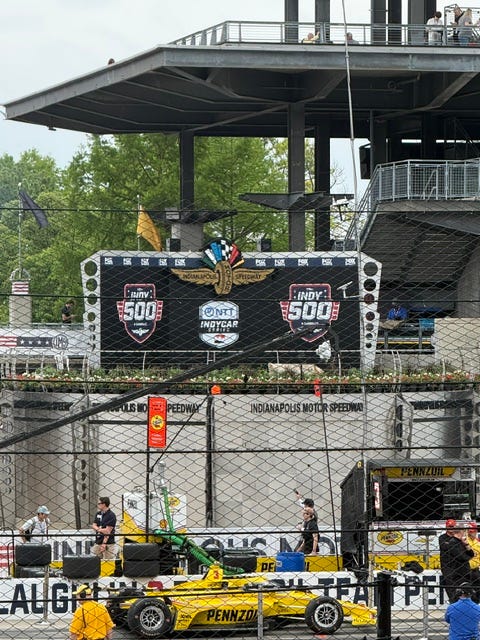
For 500 miles, the field fought relentlessly for position. Lead changes came frequently. Strategies evolved throughout the afternoon. Restarts generated tension. Drivers took risks that looked impossible from the grandstands.
Several times I thought I had identified the likely winner. Several times I was wrong. The race never settled into predictability. It remained compelling from start to finish.
Then, somehow, after all of that, history happened.
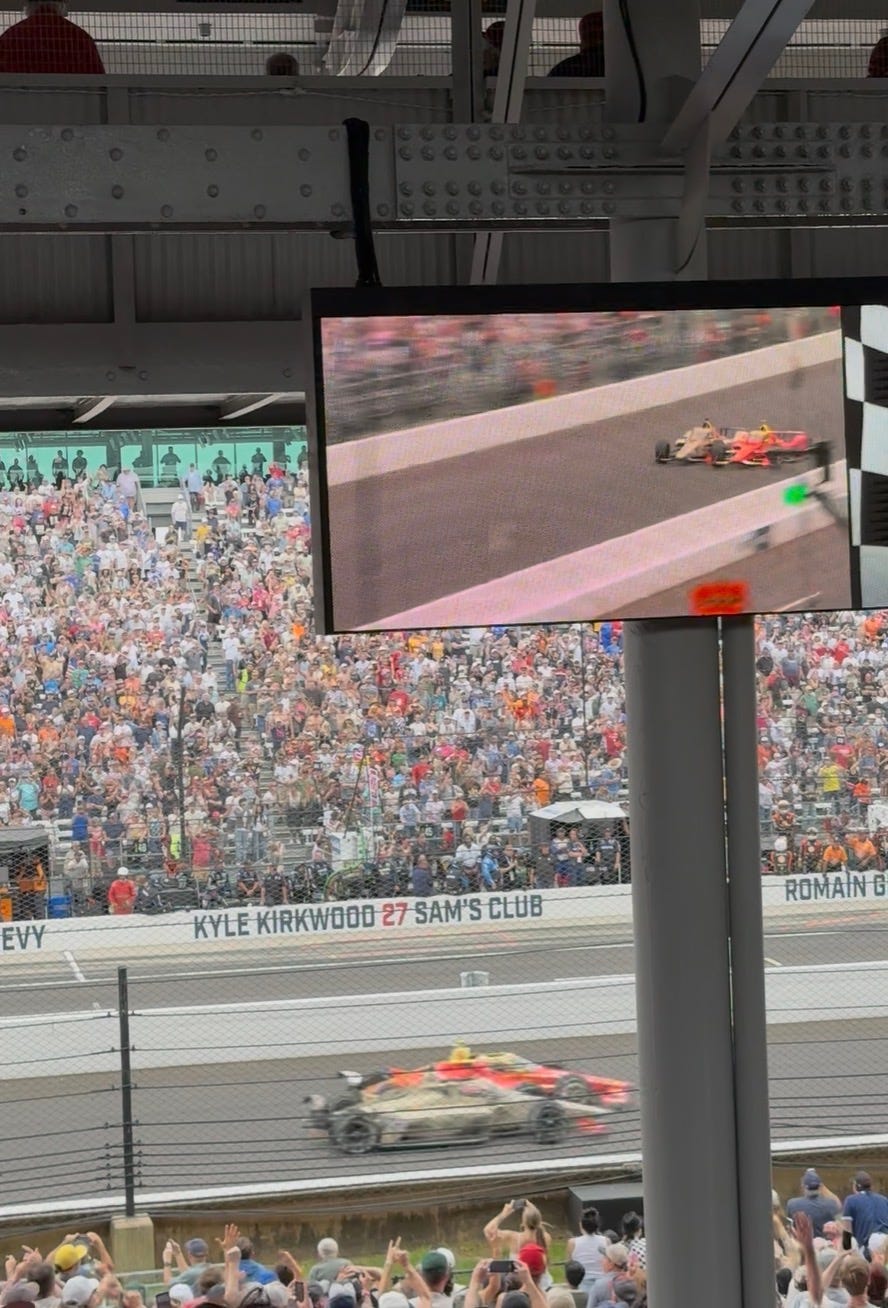
The Indianapolis 500 produced the closest finish the race has ever seen. The crowd knew immediately that we had witnessed something special. Having Swedish roots in my family, seeing Felix Rosenqvist emerge victorious only added to the experience.
The finish would have been memorable under any circumstances, but experiencing it during the Indianapolis 500 made it unforgettable.
Why Indianapolis Is Different
Within minutes after the end of the race, rain finally began arriving in earnest.
Ironically, weather forecasts had predicted rain throughout much of the day. Instead, the Speedway somehow threaded the needle perfectly. The race experienced only minor interruptions before the heavier weather held off until the event was essentially complete.
It felt fitting. Everything else had gone right as well. The race had delivered. The weather had cooperated. The traditions had lived up to expectations. The people had exceeded them.
And as I reflected on the day, I now understood that the difference between Indianapolis and many other major sporting events is that it feels like the people running it still care deeply about the experience of the fans.
That sounds simple. It shouldn’t be remarkable, yet somehow it is. You see it in the concession prices. You see it in the seating. You see it in the staff. You see it in the preservation of traditions.
Most importantly, you see it in the generations of families who continue returning year after year.
Indianapolis is not perfect. Nothing involving 350,000 people ever is. But it remains one of the few major sporting events that still feels rooted in the people who attend it.
I arrived expecting a great race. I left having experienced one of the finest sporting events of any kind that I’ve ever attended.