
More Than a Race
There are few events in motorsport that carry the weight of history quite like the Indianapolis 500.
First run in 1911, the race has endured for more than a century—through war, technological evolution, and generations of drivers who have come to define its legacy. Names like A.J. Foyt, Rick Mears, and Al Unser are woven into the identity of the event.
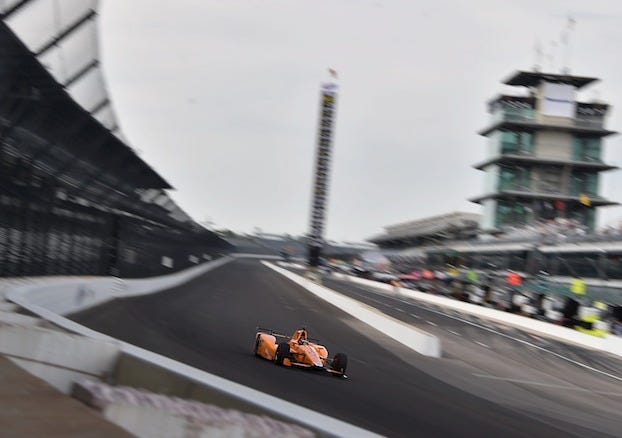
The first time you arrive at the Indianapolis Motor Speedway, it’s difficult to process what you’re seeing. The grandstands stretch endlessly along the front straight. The infield feels like a small city. And on race day, more than 300,000 people fill the venue.
And yet, despite its size, the track itself is deceptively simple: four corners, 2.5 miles, and 200 laps — at 230 miles per hour.
PART I — PLANNING THE TRIP
Using the Official IMS Site (What’s Actually Helpful)
As part of planning the trip, the official Indianapolis Motor Speedway site is a useful starting point.
Use it for:
But not for:
Real-world seat quality
Experience-based decisions
The key is combining structure with insight.
Where to Sit (And How to Buy Tickets Without Overpaying)
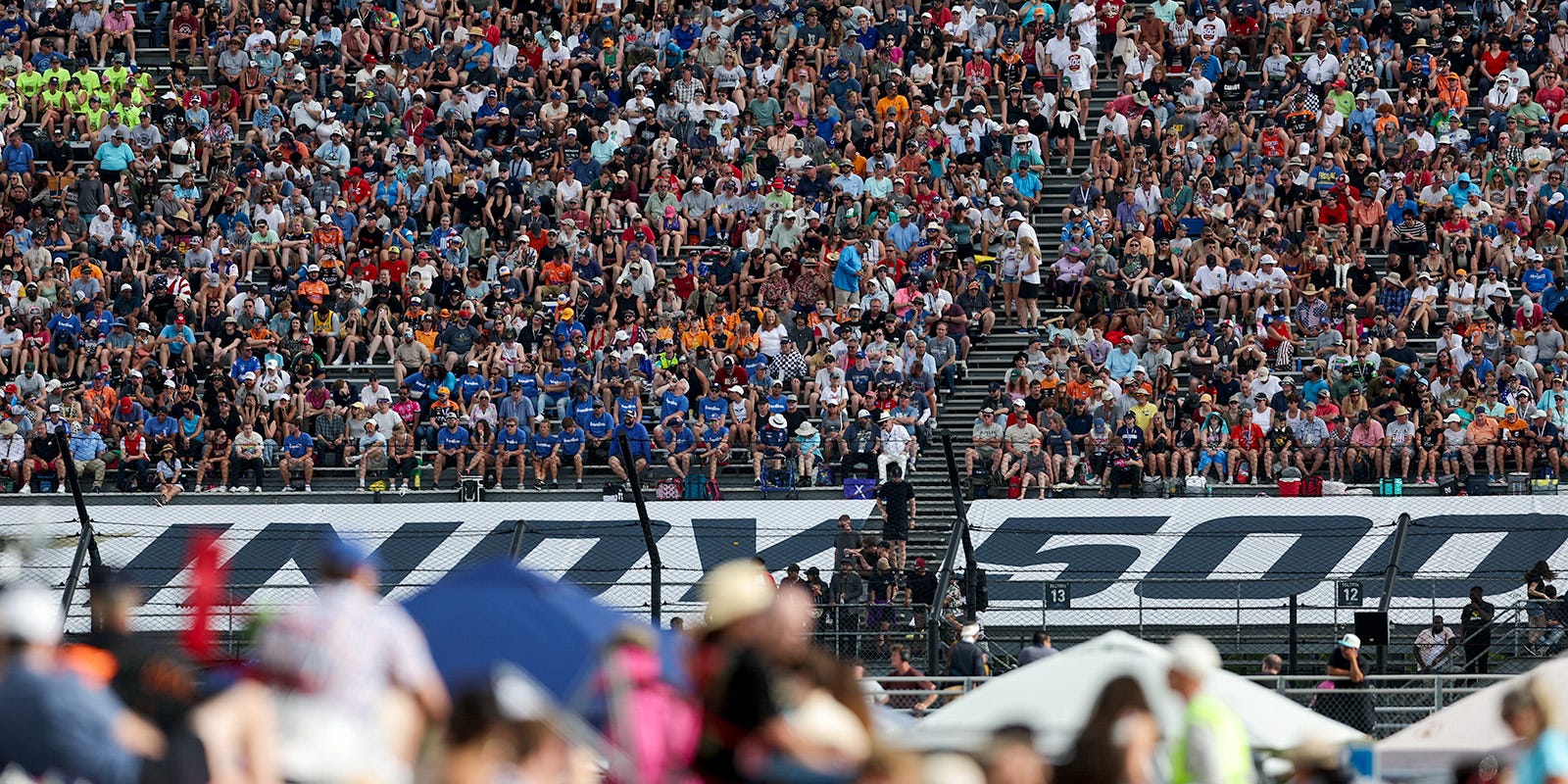
For first-time attendees, choosing where to sit at the Indianapolis 500 can feel surprisingly complex — especially if you’re within 90 days of the race.
Not because there aren’t good options—but because pricing can range from under $100 to over $2,000 depending on where, how, and when you buy.
After going through the process firsthand, one thing became clear — the goal is not to find the “best” seat, it’s to find the right seat for the experience you want—at a price that makes sense.
The Three Factors That Matter Most
1. Corners vs. Straightaways
Where you sit fundamentally shapes how you experience the race.
Corners (Turn 1 and Turn 3) are where the race unfolds:
Cars bunch up under braking
Overtakes happen
Mistakes become visible
Turn 1 delivers the most intensity—especially at the start.
Turn 3 offers a more strategic perspective, where passes develop more gradually over time.
Front Straight (Paddock / Tower Terrace) offers a different experience:
Start/finish line
Pit stops and strategy
Full pre-race ceremony
From here, you feel the speed and spectacle—but see less overtaking.
2. Row Height
This is one of the most overlooked—and most important—decision. At the Indianapolis Motor Speedway, vertical perspective changes everything.
Lower rows → closer, but limited context
Higher rows → broader view, better race awareness
It’s all a matter of preference on how you want to experience the race.
3. Section Tradeoffs
Turn 1 — Intensity & Drama
Best for first-time excitement
Frequent overtakes
High energy
Front Straight (Paddock / Tower Terrace) — Speed & Atmosphere
Start/finish and pit lane
Cars at maximum speed
Full pre-race ceremony
Turn 3 — Underrated Racing
Consistent overtaking
Less crowded
Strong value
What I Chose This Year (And Why)
I purchased my tickets at a point in the year where most of the primary tickets and many of the resale tickets were sold out. After comparing sections, row height, and pricing, I ultimately narrowed my decision to three options along the front straight in the Paddock grandstand:
Paddock 17 — Row TT
Paddock 23 — Row NN
Paddock 18 — Row MM
Each offered a slightly different balance of elevation, proximity to the start/finish line, and overall cost.
What became clear very quickly is that small differences in row height—and even a few sections over—can have a meaningful impact on both the viewing experience and the price.
Final Decision
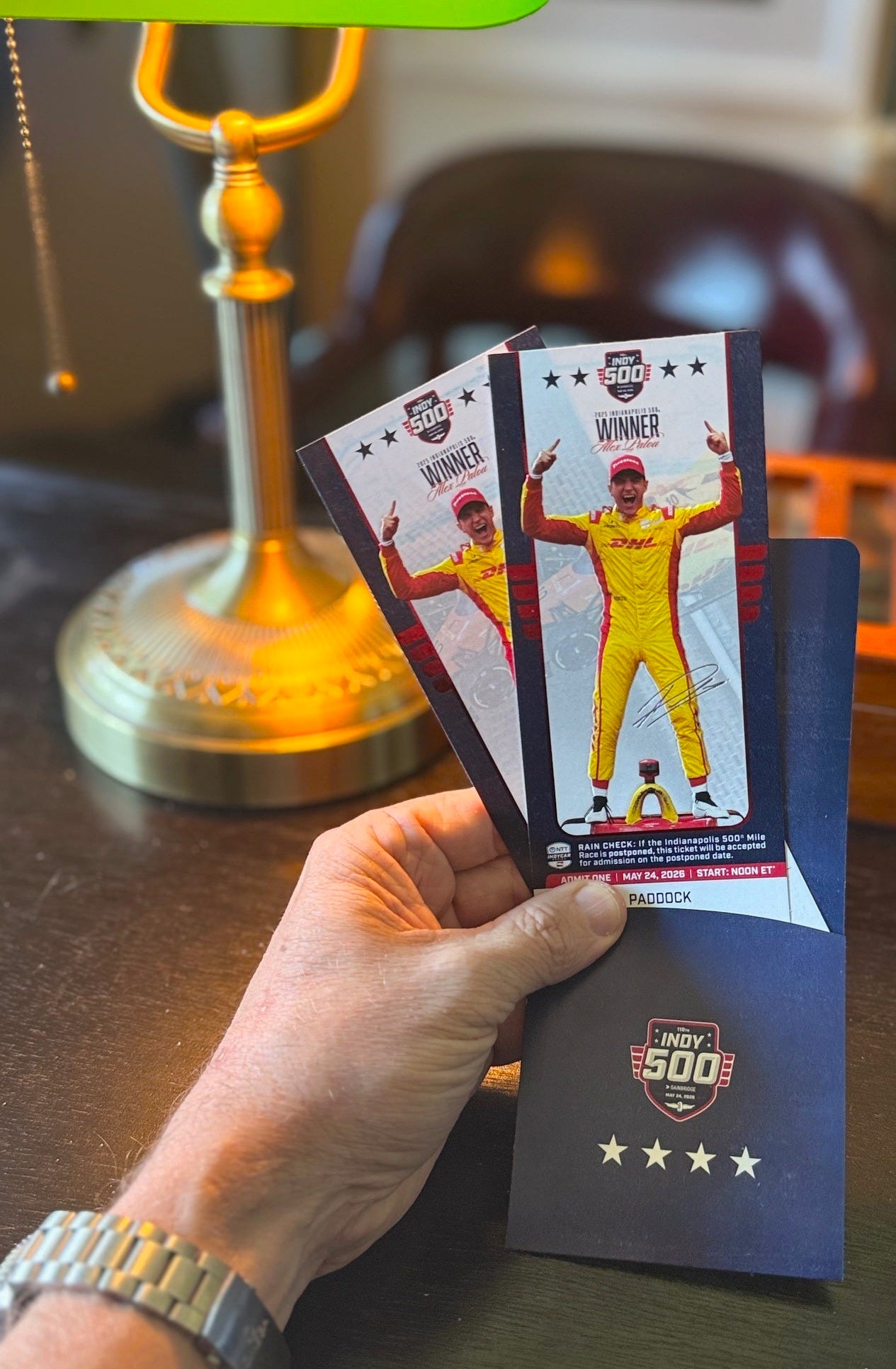
Paddock 23 — Row NN
Row TT in Paddock 17 offered the highest elevation and arguably the best overall view—but at a noticeable premium.
Row MM in Paddock 18 sat just low enough to lose some of that advantage.
Row NN in Paddock 23 struck the right balance:
High enough for a strong vantage point
Positioned along the front straight for full atmosphere
Meaningfully better value
In practical terms, it offers nearly the same experience as the highest-priced option—without the added cost.
A Practical First-Time Strategy if you’re attending your first Indy 500:
Prioritize row height over section perfection
Decide between action (corners) vs atmosphere (front straight)
Compare adjacent sections
Look for value gaps between rows
In many cases, you can get 90% of the experience for significantly less.
VIP & Premium Experiences
For those looking to elevate the Indianapolis 500 experience, the Speedway offers a range of premium clubs, suites, and hospitality areas that provide added comfort and exclusive amenities.
Popular premium options include:
Hulman Terrace Club — Indoor, climate-controlled seating with track views and lounge access.
Tower Terrace Suites — Private suites along the front straight with indoor seating, outdoor viewing, and premium amenities.
Plaza Hospitality Village — Hospitality chalets near the Pagoda with food, beverages, and grandstand access.
Performance Center — Infield viewing with rooftop access and climate-controlled space.
Most premium experiences include:
Climate-controlled areas
Food and beverage options (varies)
Premium restrooms
More space and comfort
Optional parking packages
Premium tickets offer a more relaxed, comfortable race-day experience, though many first-time attendees still prefer traditional grandstands for the energy and atmosphere.
Where to Stay & How to Plan Your Trip
For first-time attendees, one of the biggest surprises about the Indy 500 is how quickly accommodations fill up.
With hundreds of thousands of visitors arriving for race weekend, where you stay—and when you book—can have a significant impact on both cost and overall experience.
Downtown Indianapolis — Best Overall Experience
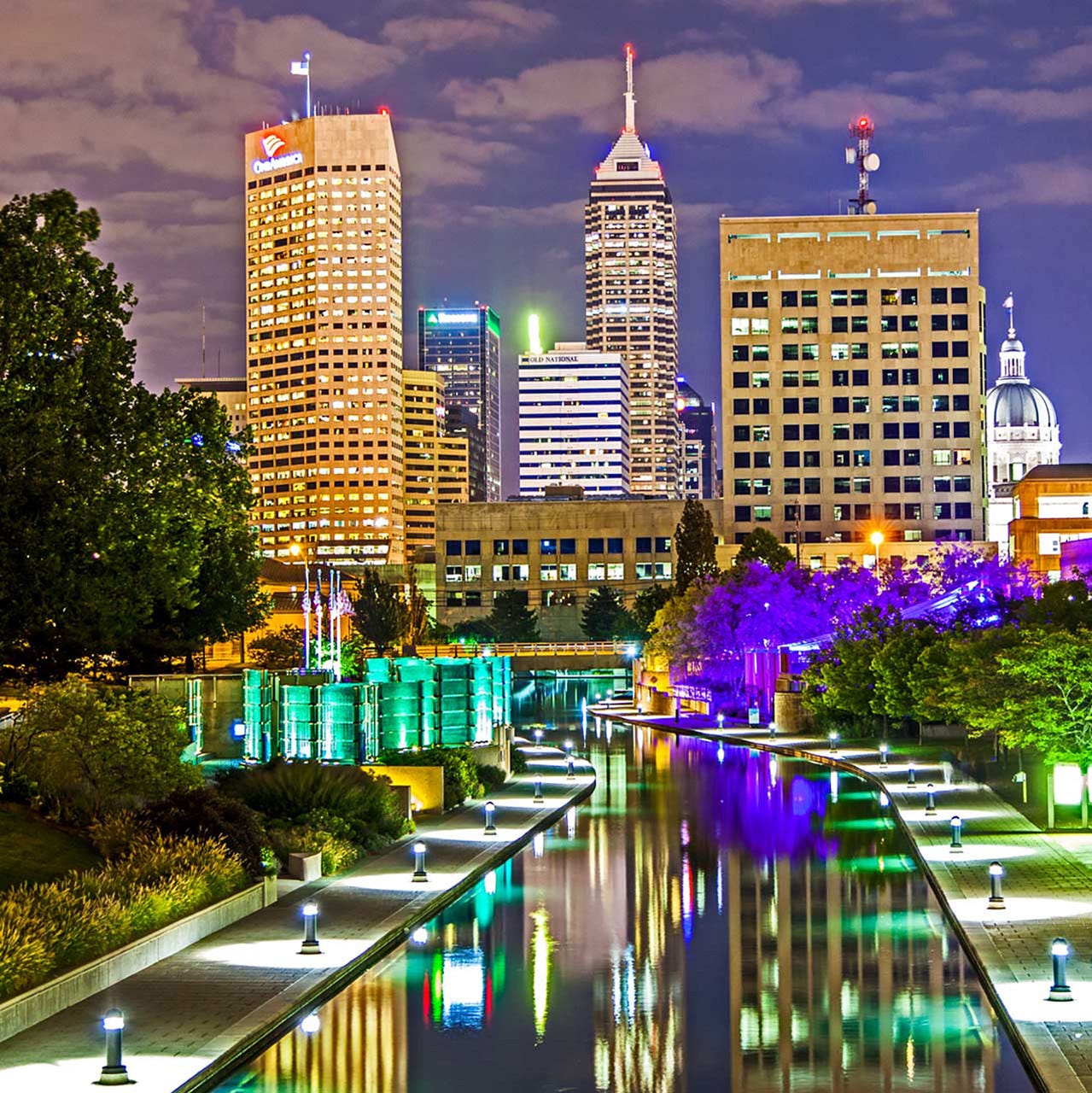
Staying in downtown Indianapolis offers the most balanced option for first-time visitors.
Wide selection of hotels across different price ranges
Restaurants, bars, and walkable areas for the full race weekend experience
Access to shuttles and more structured transportation options
Downtown also gives the weekend a sense of occasion. You’re surrounded by other race attendees, and the energy builds throughout the city as race day approaches.
👉 For most first-time visitors, this is the easiest and most complete way to experience the Indy 500.
Recommended Hotels (Downtown)
For those looking to stay in the heart of the city, a few properties stand out:
JW Marriott Indianapolis — Modern, centrally located, and one of the most popular race weekend hotels
Conrad Indianapolis — More refined and upscale, with a quieter, luxury feel
Hyatt Regency Indianapolis — Strong balance of location, comfort, and value
Recommended Hotels (Near the Speedway)
Options are more limited, but a few practical choices include:
Courtyard by Marriott Indianapolis West-Speedway — One of the closest reliable hotel options — but sells out fast!
Wingate by Wyndham Indianapolis Airport-Rockville Rd — Functional and convenient, with easier access in and out
Residence Inn by Marriott Indianapolis Northwest
— This year, I booked the Courtyard — opting for convenience and functionality over luxury.
Suburbs & Short-Term Rentals — Best Value
Looking outside the immediate downtown area often provides the best value.
Lower nightly rates
Larger accommodations (especially for groups)
Greater availability closer to race weekend
Areas within a 20–40 minute drive can offer strong options, particularly if you’re comfortable driving and planning your arrival carefully.
When to Book
Timing matters
Book 3–6 months in advance if possible
Prices increase steadily as race weekend approaches
Last-minute options are limited and often expensive
Even if you’re unsure of final plans, securing a refundable reservation early can provide flexibility.
Getting There
Flights
If you’re flying in:
Airport: Indianapolis International Airport
Arrive Friday or Saturday morning
Departing Monday is typically far less stressful than Sunday evening
Transportation & Parking
With more than 300,000 people converging on the Indianapolis Motor Speedway on race day, transportation isn’t just a logistical detail—it’s part of the experience.
There is no single “best” way to get there.
But there is a best way to plan for it.
The key is understanding what to expect—and building your day around that reality.
Driving & Parking
For many attendees, driving is the most reliable and flexible way to get to the race.
Parking around the speedway is unlike a traditional stadium setup. Instead of garages, you’ll find:
Residential lawns
Business lots
Open fields converted into parking areas
Prices typically range from $40–$90, depending on proximity and timing.
At the time of this writing, IMS parking is Sold Out for the 110th Indy 500 race day (Sunday, May 24). If you reach out to the parking office, they may put you on a wait list, in case they have a cancellation.
Using ride share apps may be the best option.
Strategy
Arrive Early (but coffee first!)
Target arrival between 6:00–7:00 AM.
This reduces stress, improves parking availability, and allows you to experience the full pre-race atmosphere.
Expect to Walk
A 10–25 minute walk is typical—and part of the experience.
Mark Your Location
After the race, everything looks different.
Drop a pin on your phone or take a photo of nearby landmarks.
Rideshare — Convenient, With Trade-Offs
Uber and Lyft are available, but require planning.
Pros
No need to park
Straightforward arrival
Cons
Surge pricing after the race
Long wait times
Pickup zones may be far from your seating area
Shuttle & Bus Options — Structured Alternative
Several shuttle services operate from downtown and surrounding areas during race weekend.
IMS has Shuttle Passes available which is an option to purchase a round-trip bus ride from an offsite location — either the Airport or Downtown location for $60 per person. You can also purchase Airport parking to accompany your shuttle pass for $20.
For more information or to purchase ticket for shuttle services, use this link: Race Day Transportation | Indianapolis 500 Presented by Gainbridge.
The Walk In
Regardless of how you arrive, the final approach is almost always on foot.
This is part of the Indy 500 experience:
Crowds moving together toward the track
Vendors, food stands, and merchandise along the way
A steady build in anticipation
Leaving the Race — Plan This Ahead
This is where expectations matter most.
There is no quick exit from the Indy 500.
What to Expect
1–2+ hours to clear the area
Heavy traffic in all directions
Large crowds walking outward from the speedway
Seasoned attendees rarely rush out immediately.
Instead, they:
Stay in their seats after the race
Walk the grounds or explore the infield
Eat, relax, and let the initial surge pass
Leaving even 45–60 minutes later can make a meaningful difference.
A Simple First-Time Plan
If it’s your first Indy 500:
Drive and park in a clearly marked area
Arrive early
Expect to walk
Stay after the race before heading out
Final Thought
At the Indy 500, transportation is not separate from the event.
The early morning arrival.
The walk through neighborhoods filled with fans.
The shared, gradual exit at the end of the day.
Like everything else about Indianapolis, it rewards those who plan ahead—and embrace the experience for what it is.
PART II — PLANNING THE WEEKEND
Where to Eat
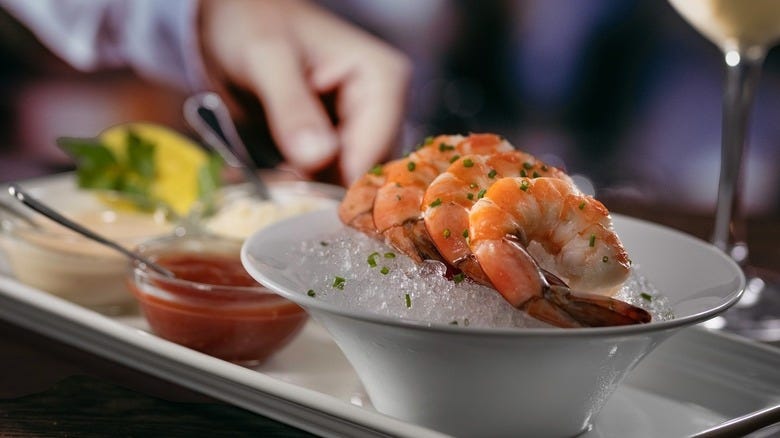
Part of the Indy 500 experience extends well beyond the track.
From pre-race dinners to post-race unwinding, where you eat helps define the rhythm of the weekend just as much as the race itself.
Indianapolis offers a surprisingly strong dining scene, particularly downtown, where many visitors choose to stay.
Downtown Indianapolis — Best Overall Dining Experience
If you’re staying downtown, you’ll have access to the widest range of options—from classic steakhouses to modern, chef-driven restaurants—all within a short walk or quick ride.
A few standout options:
The Fountain Room — A stylish, modern brasserie on Mass Ave offering elevated comfort food, strong cocktails, and a lively atmosphere. Ideal for a relaxed but polished race-weekend dinner, with a menu that balances approachable classics and refined touches.
St. Elmo Steak House — A true Indianapolis institution, known for its classic steakhouse atmosphere and famously bold shrimp cocktail
Harry & Izzy’s — A slightly more relaxed counterpart to St. Elmo, with the same core menu and energy
Bluebeard — One of the city’s most acclaimed restaurants, offering a more contemporary, ingredient-driven experience
The Oakmont — A 21+ modern American restaurant and cocktail bar known for elevated comfort food, craft cocktails, and a relaxed but refined race-weekend atmosphere. (I reserved a table for Saturday at the Oakmont — excited about the fried deviled eggs)
👉 Reservations are necessary, especially for Friday and Saturday evenings.
Pre-Race & Casual Options
Race weekend isn’t always about formal dining. Sometimes the best meals are simple, quick, and well-timed.
Milktooth — A standout brunch spot, ideal for the morning before race day (if timing allows)
Shapiro’s Delicatessen — A classic deli experience, perfect for something quick and satisfying
Local cafés and hotel dining options — often the most practical choice on race morning
👉 On race day itself, simplicity is key. Eat early, and don’t rely on tight timing.
Near the Speedway
Dining options near the Indianapolis Motor Speedway are more limited, but there are still a few practical choices.
Charlie Brown’s Pancake & Steak House — A local favorite for a straightforward, pre-race breakfast
Casual chains and quick-service spots along Crawfordsville Road — useful for convenience over experience
A Race Morning Coffee Stop
For those who enjoy starting the day with a proper cup of coffee, consider stopping in Speedway before heading to the track.
Founders Grounds Coffee, located just minutes from the Indianapolis Motor Speedway, has become a favorite among race-weekend visitors. It offers quick service, quality coffee, and a relaxed atmosphere before the crowds begin to build.
If you’re staying downtown, cafés such as Bovaconti Coffee also provide a strong option before making your way toward the speedway.
Like many Indy 500 traditions, the early morning coffee stop becomes part of the experience — a quiet moment before the scale and energy of race day fully unfolds.
At the Track
Food at the speedway is part of the experience.
You’ll find:
Classic trackside concessions
Independent vendors
A wide range of quick, familiar options
Many attendees bring their own coolers, creating a more relaxed and personal setup for the day.
👉 Whether you buy or bring food, plan ahead—race day is long, and options can get crowded.
A Simple Approach
For a well-balanced weekend:
Plan one memorable dinner downtown
Keep race day food simple and practical
Like everything else about the Indy 500, the food isn’t just about necessity—it’s part of the experience.
The pre-race dinner.
The early morning coffee.
The quick meal between moments.
Taken together, they become part of the rhythm of the weekend.
Where to Grab a Drink
Like everything surrounding the Indy 500, the social side of the weekend has its own rhythm.
Whether it’s a drink the night before the race, a quick stop after dinner, or a place to unwind afterward, Indianapolis offers a range of options that complement the overall experience.
Downtown Indianapolis — Best Overall Atmosphere
If you’re staying downtown, you’ll find the most variety and the most energy.
A few standout options:
The Slippery Noodle Inn — One of the oldest bars in Indiana, known for live blues and a distinctly local feel
1933 Lounge by St. Elmo — A more refined setting above St. Elmo, ideal for a quieter, more classic evening
The Eagle Mass Ave — Lively, casual, and well-suited for a relaxed drink in a social atmosphere
Downtown tends to feel energized throughout race weekend, particularly Friday and Saturday evenings.
Mass Ave — Best for Variety
The Massachusetts Avenue area (commonly referred to as “Mass Ave”) is one of the city’s most walkable and engaging districts.
A mix of cocktail bars, breweries, and casual spots
Easy to move between venues
A more modern, social feel compared to traditional downtown establishments
👉 Ideal if you’re looking for a flexible, low-commitment evening.
Pre- and Post-Race Strategy
Race weekend is long, and pacing matters.
Friday night: Best time for a proper evening out
Saturday: Keep it lighter, especially if you’re planning an early race morning
Post-race Sunday: More relaxed, lower energy—many people are winding down
Near the Speedway
Options near the Indianapolis Motor Speedway are limited and generally more casual.
Most visitors choose to return downtown after the race rather than stay nearby for drinks.
A Simple Approach
Choose one or two intentional stops rather than trying to do too much
Stay within walking distance when possible
Prioritize atmosphere over quantity
PART III — RACE DAY EXPERIENCE
Race Day Traditions You Should Know
The Indianapolis 500 is as much ceremony as it is competition.
Before the green flag waves, the event unfolds through a series of traditions that have been carried forward for generations. For first-time attendees, these moments are not background—they are central to the experience.
Arriving early is not just recommended. It’s essential.
“Back Home Again in Indiana”
Perhaps the most iconic pre-race moment, “Back Home Again in Indiana” is performed just before the start.
By this point, the grandstands are full. The energy has been building for hours. And then, almost unexpectedly, everything quiets.
Fans stand. Conversations pause. Even those attending for the first time sense that this is something more than a song.
It’s a ritual.
For many longtime attendees, this is the emotional center of the day—the moment where the scale of the event gives way to something more personal.
Driver Introductions
Before the engines fire, each driver is introduced to the crowd, standing on the front straight.
Thirty-three drivers. One race.
The introductions connect the crowd to the field in a way that’s often lost in other forms of motorsport.
The Flyover
![DVIDS - Images - Indiana National Guard, Air Force Thunderbirds rev up the 2024 Indy 500 [Image 3 of 3]](https://substackcdn.com/image/fetch/$s_!aDXy!,f_auto,q_auto:good,fl_progressive:steep/https%3A%2F%2Fsubstack-post-media.s3.amazonaws.com%2Fpublic%2Fimages%2Fd7f91f0d-b6fa-4f24-af6e-d9378a277180_1000x1086.jpeg "DVIDS - Images - Indiana National Guard, Air Force Thunderbirds rev up the 2024 Indy 500 [Image 3 of 3]")
As the national anthem concludes, aircraft sweep across the Indianapolis Motor Speedway in a precisely timed flyover — a powerful moment that signals the transition from ceremony to competition. For many first-time attendees, it’s one of the most memorable moments of the day, where the scale, sound, and energy of the Indy 500 come fully into focus.
“Drivers, Start Your Engines”
Few phrases in motorsport carry the same weight.
When the command is given, the atmosphere changes instantly.
The sound of engines firing—sudden, loud, and physical—cuts through everything. What had been anticipation becomes intensity.
It’s the moment where ceremony gives way to competition.
The Pace Laps - The Calm Before the Storm
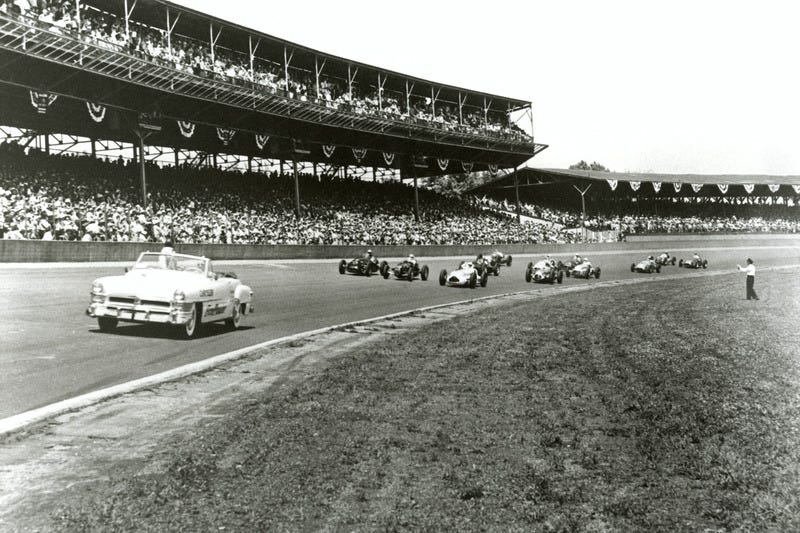
As the field rolls away from the grid, there is a brief but unmistakable pause.
The cars form up. The crowd leans forward. The tension builds.
For a few minutes, everything feels suspended—waiting for the race to truly begin.
The Green Flag
Then, without much warning, it happens.
The field accelerates toward Turn 1.
From the stands, the effect is immediate. The speed. The sound. The compression of 33 cars entering the same corner.
For first-time attendees, this is often the moment where the scale of the event fully registers.
The Milk
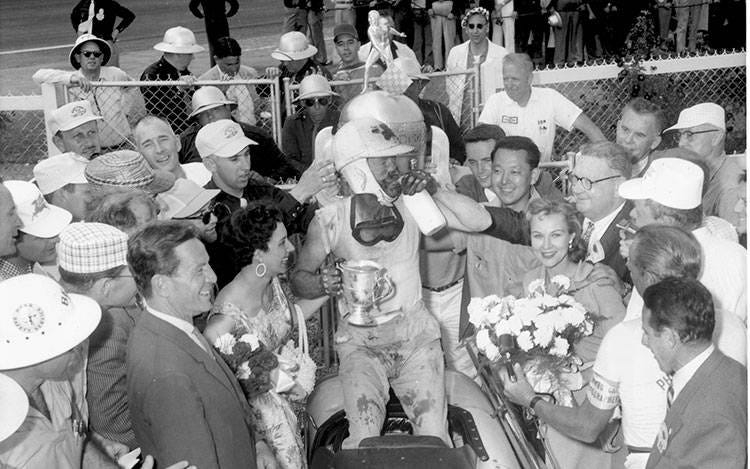
At the end of the race, one of the most unique traditions in all of sport takes place.
The winner drinks milk in Victory Lane.
What began in 1936 as a simple request has become one of the defining images of the Indy 500.
It is, in its own way, perfectly representative of the event—historic, slightly unconventional, and deeply rooted in tradition.
What to Bring
From early arrival to post-race departure, you can easily spend 6–10 hours at the track—much of it exposed to the elements.
What you bring has a direct impact on how comfortable and enjoyable the day feels.
The Essentials
These are the items that make the biggest difference:
Hearing Protection
The sound of IndyCars at full speed is not just loud—it’s physical.
Even if you don’t use earplugs all day, having them available is important, especially during long green-flag runs.
Sunscreen & Hat
There is very little shade in most grandstands. Sun exposure is one of the most underestimated aspects of the day.
Seat Cushion
Most seating is aluminum bleachers. After several hours, comfort becomes a factor. A simple cushion or stadium seat can significantly improve the experience.
Reusable Water Bottle
Staying hydrated is critical, especially in warmer conditions. Sealed bottles or refillable containers are typically allowed.
Sunglasses
Bright conditions, reflective surfaces, and long exposure make this an easy addition with high value.
Portable Phone Charger
Between photos, videos, and navigation, your phone will be used throughout the day. A small backup battery ensures you’re not managing logistics on low power late in the day.
Light Bag or Clear Backpack
A compact bag helps keep everything organized and accessible.
The Indy 500 Cooler Tradition
One of the best-kept secrets of the Indianapolis 500 is this:
You can bring your own food and drinks into the track.
Not just snacks — a proper cooler.
The Basics
Coolers must be under ~18” x 15” x 15” (fits under your seat)
No glass containers
Food is unrestricted
Water, soda, beer, and wine are all allowed
If you’re in the infield, expect full tailgates and fewer limitations.
Pro Tips
Bring more water than you think
Freeze a few drinks overnight
Keep it simple and easy to manage
Plan for a long day (6–8 hours)
Nice to Have Extras
Binoculars
Helpful for:
Watching pit activity
Seeing action on the far side of the track
Particularly useful if you’re seated along the front straight.
Portable Radio or Scanner App
Some fans follow race commentary through radio broadcasts or apps, which can add context to what’s happening beyond your immediate view.
What Not to Bring
A few things are better left behind:
Large or heavy bags
Anything that slows entry or becomes difficult to carry
Items that aren’t permitted by venue policy
Keeping things simple makes moving around much easier.
The official IMS site provides cooler and gate regulations that provide a comprehensive list of prohibited and permitted items.
What to Wear
The Indianapolis 500 is a long day spent almost entirely outdoors. From early morning arrival to late afternoon departure, comfort matters—but so does practicality.What you wear should account for sun, movement, and time.
Dress for the Conditions
Late May in Indianapolis can vary, but most race days fall into a familiar pattern:
Cool to mild in the early morning
Warm to hot by midday
Prolonged sun exposure throughout the day
The key is dressing in a way that adapts.
The Essentials
Comfortable Footwear
You will walk more than you expect.
Parking areas can be far from the gates
The grounds are large
Post-race exit involves extended walking
Supportive, broken-in shoes are essential.
Lightweight, Breathable Clothing
Choose fabrics that handle heat well.
Cotton or performance materials
Light colors to reflect sunlight
Loose, comfortable fit
You’ll be sitting for long periods, often in direct sun.
Hat or Cap
Shade is limited in most seating areas. A hat not only protects from the sun, but also reduces fatigue over the course of the day.
Sunglasses
Bright conditions, reflective surfaces, and long exposure make this one of the simplest—and most effective—comfort upgrades.
Layering (Morning vs Afternoon)
Even if the day turns warm, early morning temperatures can feel noticeably cooler—especially if you arrive early.
A light layer can help:
Lightweight jacket or pullover
Easy to carry or pack away once temperatures rise
Rain Layer (If Forecast Calls for It)
Concessions at the Track
If you prefer to purchase food inside the speedway, there are plenty of options available.
You’ll find:
Classic race-day staples (hot dogs, burgers, pizza)
Grab-and-go snacks
Beverage stands throughout the venue
Lines can build as race time approaches, so timing matters.
👉 Eating earlier in the day is often the most efficient approach.
The Infield Experience
The infield has its own distinct energy.
While grandstand seating offers a more structured viewing experience, the infield is more dynamic and social.
Larger groups gathering throughout the day
Music, movement, and a festival-like atmosphere
Areas ranging from relaxed to high-energy
Depending on where you go, the tone can vary significantly.
Some areas are casual and laid back.
Others—particularly closer to dedicated event zones—can feel more like a full-scale party.
Exploring the Grounds
Even if you’re seated in the grandstands, taking time to walk the grounds can add to the experience.
Visit different vantage points
Observe how different groups experience the race
Take in the scale of the venue beyond your seat
The Indy 500 is one of the few events where movement throughout the day feels natural and encouraged.
Timing Matters
Food and drink at the Indy 500 isn’t just about what you have—it’s about when.
Eat something substantial before the race begins
Stay hydrated throughout the day
Avoid waiting until peak times when lines are longest
Planning even loosely helps avoid unnecessary disruption.
A Simple Approach
For a well-balanced race day:
Bring a few essentials (water, snacks)
Supplement with concessions if needed
Stay flexible and adjust as the day unfolds
PART IV — CONTEXT & REFLECTION
A Must-Do: The Indianapolis Motor Speedway Museum
A visit to the Indianapolis Motor Speedway Museum is one of the most worthwhile additions you can make to your trip.
Located inside the grounds of the Indianapolis Motor Speedway, the museum provides context for everything you’ll see on race day. It connects the modern event to more than a century of history—turning what might feel like a large, fast-moving spectacle into something far more meaningful.
Why It Matters
The Indy 500 is not just a race.
It is a continuous story—one that has been unfolding since 1911.
The museum brings that story into focus.
Walking through the exhibits, you begin to understand:
How the cars have evolved over time
How safety, speed, and technology have progressed
How different eras of drivers shaped the identity of the race
It’s one thing to watch the race.
It’s another to understand where it came from.
What You’ll See
The museum’s collection is both extensive and carefully curated.
Highlights typically include:
Winning Cars from Multiple Eras
Cars from past Indy 500 champions are displayed throughout the museum, offering a visual timeline of design and performance evolution—from early open-wheel machines to modern IndyCars.
The Borg-Warner Trophy
One of the most iconic trophies in all of sport.
Each winner’s face is sculpted into the silver surface, creating a living record of the race’s history. Seeing it in person adds weight to a tradition you’ve likely only seen on television.
Historic Drivers & Moments
Exhibits dedicated to legendary drivers, defining races, and pivotal moments help bring the event’s history to life.
For many visitors, this is where names they’ve heard for years begin to feel real.
Technology & Engineering Displays
Sections of the museum explore how speed is achieved—and managed—through engineering, aerodynamics, and innovation.
It adds a layer of appreciation for what you’ll see on track.
The Track Tour
One of the most unique aspects of visiting the museum is the opportunity to take a guided track tour.
Depending on availability, this typically includes:
A lap around the speedway in a bus
Views of the front straight, corners, and backstretch
A chance to see the track from a driver’s perspective
Even at low speed, the scale of the circuit becomes much more apparent.
When to Visit
If possible, plan your visit before race day.
Race day itself is crowded and time is limited
Earlier in the weekend offers a more relaxed, immersive experience
Many visitors find that seeing the museum first enhances their understanding of everything that follows.
Planning your IMS Speedway Museum Visit
The Indianapolis Motor Speedway Museum is open every day of the year, except Thanksgiving and Christmas Day, from 9 a.m. to 5 p.m.
Tickets for the museum can be purchased through the official IMS Museum site. Adult admission is $25, Seniors (55+) $23, Military (Veteran and Active) $12, Youth (ages 6-16 is $18, and Children 5 and under are free.
Museum Memberships are available, which give you free unlimited admission throughout the year, access to exclusive events, discounts and priority to Museum public events, and discounts on purchases at the IMS gift shop.
Track tours require a museum admission. When purchasing the museum tickets online, a museum time must be reserved prior to purchasing tour tickets. Contact the museum tour department at tickets@museum.org with any questions.
For general information about the museum, you can call (463) 244-2680 during business hours.
Choosing Your Experience
The Indianapolis 500 is not a single experience.
It can feel like one when you first start planning—tickets, travel, logistics—but once you arrive, it becomes clear that there are many different ways to experience the race.
Where you sit, how you plan your day, and what you prioritize all shape how the event unfolds.
The key is deciding what matters most to you.
The Race-Focused Experience
For some, the Indy 500 is about the competition itself.
Watching overtakes develop
Following strategy and pit cycles
Understanding how the race evolves over 200 laps
If this is your focus:
Sit in a corner (Turn 1 or Turn 3)
Choose a higher row for broader visibility
Consider bringing a radio or app to follow commentary
This approach turns the race into something analytical and immersive.
The Tradition-Focused Experience
For others, the Indy 500 is about history and ceremony.
The pre-race rituals
The crowd standing for “Back Home Again in Indiana”
The continuity of traditions that span generations
If this resonates:
Sit along the front straight
Arrive early enough to experience the full pre-race sequence
Take time to observe—not just watch
This approach emphasizes meaning over motion.
The Social Experience
For many attendees, the Indy 500 is also a shared event.
Time with friends or family
Tailgating and conversation
Moving through the crowd and taking in the atmosphere
If this is your priority:
Be flexible with your schedule
Spend time exploring beyond your seat
Embrace the communal nature of the event
The race becomes part of a larger, shared day.
The Balanced Experience
Most first-time attendees fall somewhere in between.
A bit of racing.
A bit of tradition.
A bit of atmosphere.
If that’s your goal:
Choose seating that offers both visibility and energy (front straight or Turn 1)
Plan your day loosely, with room to move and explore
Allow yourself to shift between moments—watching closely at times, stepping back at others
This approach tends to feel the most complete.
Your Experience Will Evolve
What’s most interesting is that your perspective may change throughout the day.
You might arrive focused on the race itself…
…and find yourself drawn to the atmosphere.
Or come for the spectacle…
…and leave thinking about the strategy and precision.
That shift is part of what makes the Indy 500 unique.
A Simple First-Time Game Plan
The Indianapolis 500 is a long day—but it doesn’t have to feel complicated.
With a bit of structure, you can move through the experience smoothly, without feeling rushed or overwhelmed.
What follows is a simple approach to the day—built around timing, energy, and what matters most.
The Night Before
Keep things intentional, not excessive.
Have a good dinner (downtown is ideal)
Hydrate
Set out what you’ll bring the next day
Check your tickets, parking plan, and route
If you’re planning to go out, keep it measured. Race morning comes early.
Race Morning (5:30–7:00 AM)
Start early. Earlier than you think.
Eat something before leaving (or have a simple plan in place)
Apply sunscreen before you arrive
Dress for a cool morning and a warmer afternoon
Aim to arrive near the speedway between 6:00–7:00 AM.
Arriving early:
Reduces stress
Improves parking options
Allows you to experience the buildup
Arrival & Walk In (7:00–9:00 AM)
Once you arrive, take your time.
Park and note your location
Walk toward the track with the crowd
Take in the atmosphere—this is part of the experience
Vendors, fans, and the steady movement toward the speedway all contribute to the sense that something significant is about to happen.
Before the Race (9:00–11:30 AM)
This is where the day opens up.
Find your seat
Get familiar with your surroundings
Eat early (before peak lines)
Hydrate
If you want to explore:
Walk the grounds
Visit the infield areas
Observe how different sections experience the race
Most importantly, be in your seat well before the pre-race ceremonies begin.
Pre-Race Traditions (Late Morning)
Do not miss this.
Driver introductions
“Back Home Again in Indiana”
The build toward the start
This is where the energy of the entire venue comes together.
The Race (Green Flag to Finish)
Once the race begins, settle in—but stay flexible.
Watch closely during key moments (start, restarts, late race)
Step back at times and take in the scale
Stay hydrated and comfortable
The race unfolds over time. There’s no need to treat every lap the same.
Immediately After the Finish
Resist the instinct to rush out.
Instead:
Stay in your seat
Take in the moment
Watch the crowd and energy shift
This brief pause often becomes one of the most reflective parts of the day.
The Exit (45–90 Minutes After)
When you do leave:
Expect a slower, shared exit
Walk with the crowd
Be patient with traffic
Leaving slightly later can significantly improve the experience.
The Evening
Keep expectations light.
A casual dinner or relaxed drink is usually ideal
Many people are tired but satisfied
This is not the time to over-schedule—it’s a time to reflect.
The Greatest Spectacle
The Indianapolis 500 is not just a race.
It is scale.
It is tradition.
It is more than a century of motorsport history distilled into a single day.
This year, I’ll be attending the race myself.
And afterward, I’ll be sharing:
The Indy 500 Experience
Because the best guides aren’t just researched.
They’re lived.
Call to Action
If you enjoy stories about the world’s great motorsport destinations, subscribe to The Grand Touring Journal.
Upcoming articles will explore iconic racing events around the world — from the Monaco Grand Prix to the Nürburgring and beyond.