
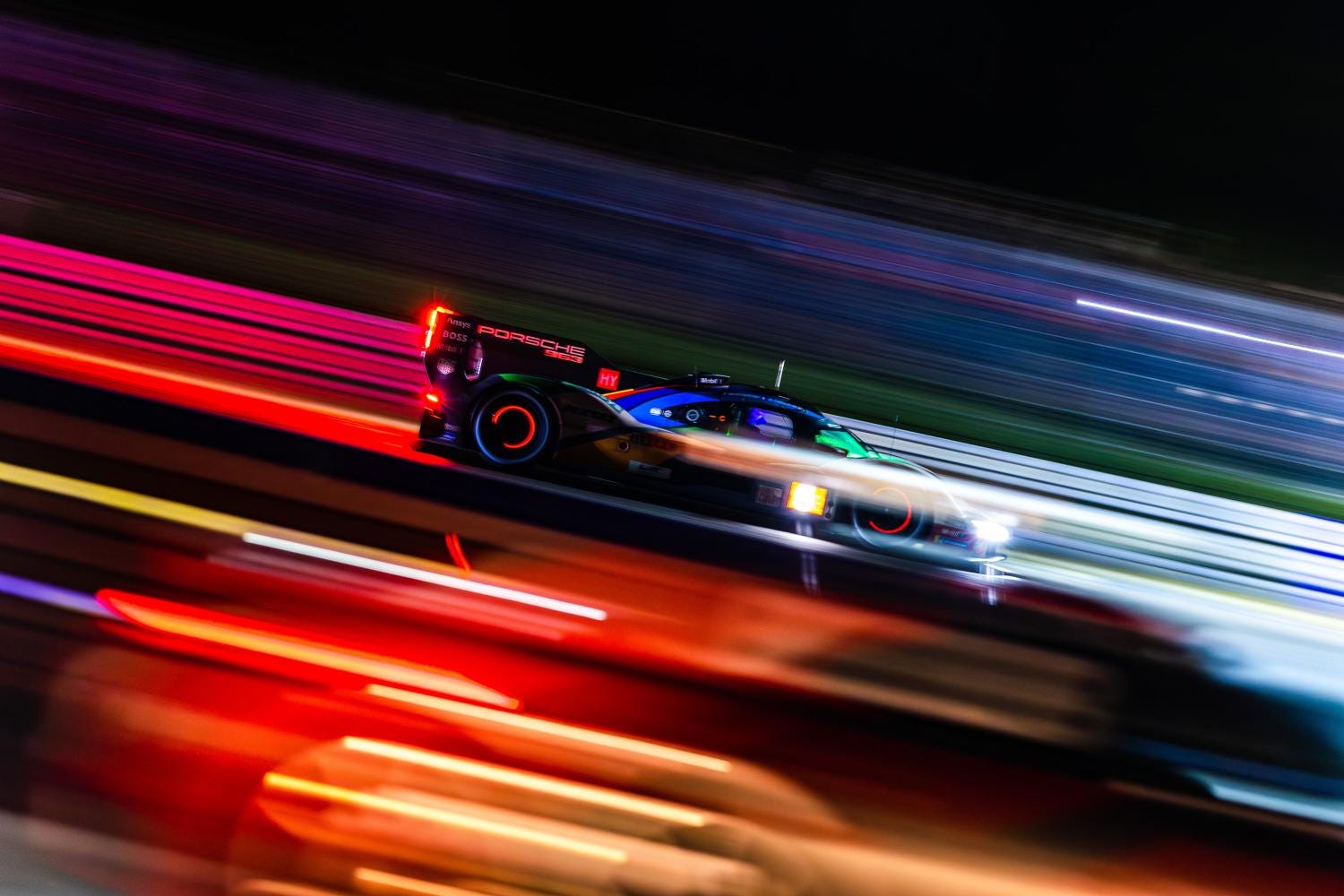
For generations of motorsport enthusiasts, the 24 Hours of Le Mans has represented something more than just a race — it’s a pilgrimage.
Even those fans and participants who were not yet born when the great manufacturer battles of the 1960s took place often feel a sense of nostalgia for the circuit. Images of the American Ford GT40 thundering down the Mulsanne Straight in pursuit of Ferrari remain part of the sacred lore of motorsport. The race has evolved dramatically over the decades, but the spirit of Le Mans—speed, endurance, and engineering ambition—continues.
For many enthusiasts, attending the race in person becomes a lifelong goal. The scale of the event, however, can feel intimidating to first-time visitors. The circuit is enormous, the crowds are immense, and the race itself unfolds over a full twenty-four hours.
Yet with a little preparation, Le Mans becomes one of the most rewarding motorsport experiences in the world.
To help make planning easier, I’ve included links throughout this guide to official resources, maps, and ticket information for the race.
Planning Your Trip
The race typically takes place in mid-June each year at the Circuit de la Sarthe, a temporary circuit combining public roads with a permanent racing facility.
Because of the race’s popularity, planning ahead is essential. That said, many visitors successfully organize trips a few months before the event.
Most first-time visitors attend the race for three to four days, arriving on Thursday or Friday and staying through the finish on Sunday afternoon. This allows time to explore the circuit, watch qualifying sessions, and enjoy the atmosphere before the race begins.
If your schedule allows, consider adding a day or two to explore the historic city of Le Mans itself. The medieval old town, known as Cité Plantagenêt, is one of the most beautiful historic districts in western France.
Getting to Le Mans
For most international visitors, the easiest route is to fly into Paris.
From there, high-speed trains operated by SNCF connect Paris to Le Mans in roughly one hour. During race week additional train services are often scheduled to accommodate the large number of fans traveling to the event.
Once you arrive in Le Mans, the city’s tram system runs directly to the circuit and is one of the most convenient ways to reach the race.
Many visitors also choose to rent a car and drive, especially if they plan to explore other parts of France before or after the race.
Where to Stay
Accommodation during race week can fill quickly, but visitors still have several options.
Hotels within the city of Le Mans provide the most convenience, though they often book far in advance. Fortunately, the surrounding region offers numerous alternatives.
Nearby towns and villages within driving distance frequently have available lodging, and many visitors use rental platforms such as Airbnb to secure accommodations for the weekend.
Camping is also one of the most popular ways to experience Le Mans. The circuit offers several designated camping areas, each with its own character and atmosphere. Camping passes are sold through the official race ticketing system and provide access to specific zones around the circuit.
For many fans, camping becomes part of the tradition—an immersive way to experience the race alongside fellow enthusiasts from around the world.
Tickets and Viewing Options
Attending the 24 Hours of Le Mans can be as simple—or as luxurious—as you choose.
The most accessible option is general admission, which allows spectators to move freely around most areas of the circuit. Many fans prefer this option because it provides the flexibility to explore multiple corners throughout the race.
For those who prefer a reserved seat, the race also offers a variety of grandstand tickets near the start–finish straight and the Ford Chicanes. These provide excellent views of the pit lane, the race start, and the dramatic finish on Sunday afternoon.
At the other end of the spectrum are official VIP packages, which transform the event into something closer to a luxury motorsport weekend. Private suites, trackside lounges, and elevated terraces offer catered meals, comfortable seating, and premium views of the circuit.
Because the event attracts hundreds of thousands of spectators each year, tickets typically go on sale several months in advance and popular options can sell out quickly.
Parking at the Circuit
For visitors arriving by car, parking around the circuit is generally well organized but can become crowded during peak periods.
The race offers several official parking areas located around different sections of the track. Many of these lots are free with a general admission ticket, while others require a dedicated parking pass that can be purchased in advance through the official race ticketing system.
Because the circuit covers such a large area, it is often helpful to choose parking close to the section of the track you plan to visit first. Areas near the main grandstands, the Dunlop Bridge, and the southern sections of the circuit all have designated parking zones.
Traffic can become heavy before the start of the race and again after the finish on Sunday afternoon. Arriving earlier in the day and allowing extra time for departure can make the experience much more relaxed.
Many visitors staying in the city of Le Mans choose to leave their cars at their accommodations and use the tram system, which provides direct access to the circuit and can be far more convenient during the busiest hours of the weekend.
The Official 24 Hours of Le Mans Website
Before attending the race, it is worth spending time on the official event website operated by the Automobile Club de l’Ouest, the organization responsible for running the 24 Hours of Le Mans.
The site provides detailed information about ticket options, camping areas, and grandstand locations, along with the full schedule for practice sessions, qualifying, and the race itself.
In the weeks leading up to the event, the website also publishes interactive circuit maps, the entry list, spectator guides, and updates on concerts, exhibitions, and other activities taking place around the track. If you want to show up looking the part, the site even has a shop with some great gear.
For first-time visitors, these resources can make planning significantly easier. Reviewing the maps and schedules in advance helps you decide which areas of the circuit you would like to explore during the race weekend.
Getting Around the Circuit
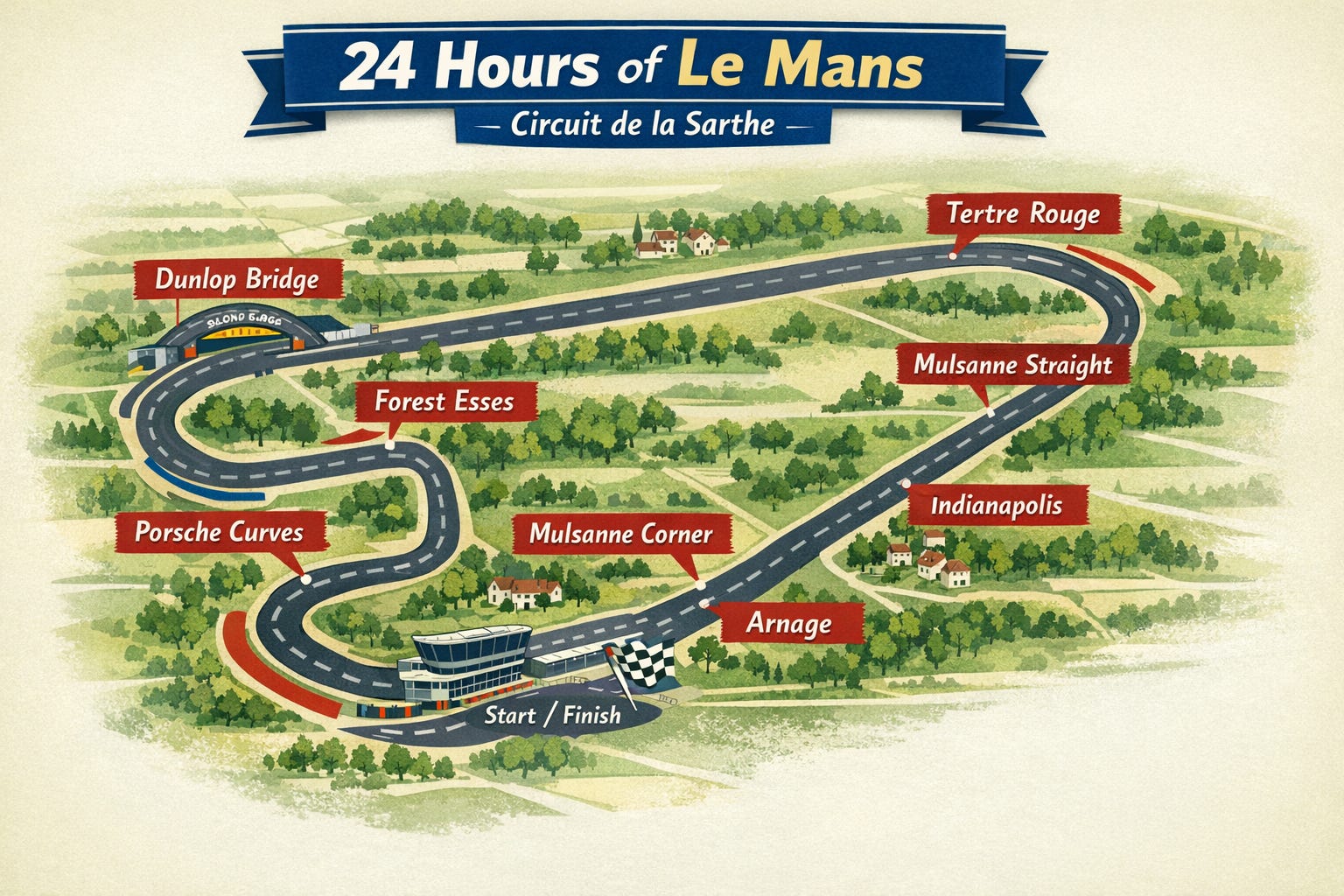
One of the most surprising aspects of Le Mans for first-time visitors is the sheer size of the circuit. At more than eight miles in length, the track stretches through forests and countryside far beyond the main grandstand area. Moving between viewing points can require significant walking.
Fortunately, the event provides shuttle buses and tram connections that link key spectator areas around the circuit. These services make it possible to explore different parts of the track throughout the race. During peak periods—particularly before the race start and after the finish—transport can become crowded. Allow extra time when moving between locations.
Best Viewing Spots at Le Mans
Part of the magic of attending Le Mans is discovering the character of different corners around the circuit.
Dunlop Bridge
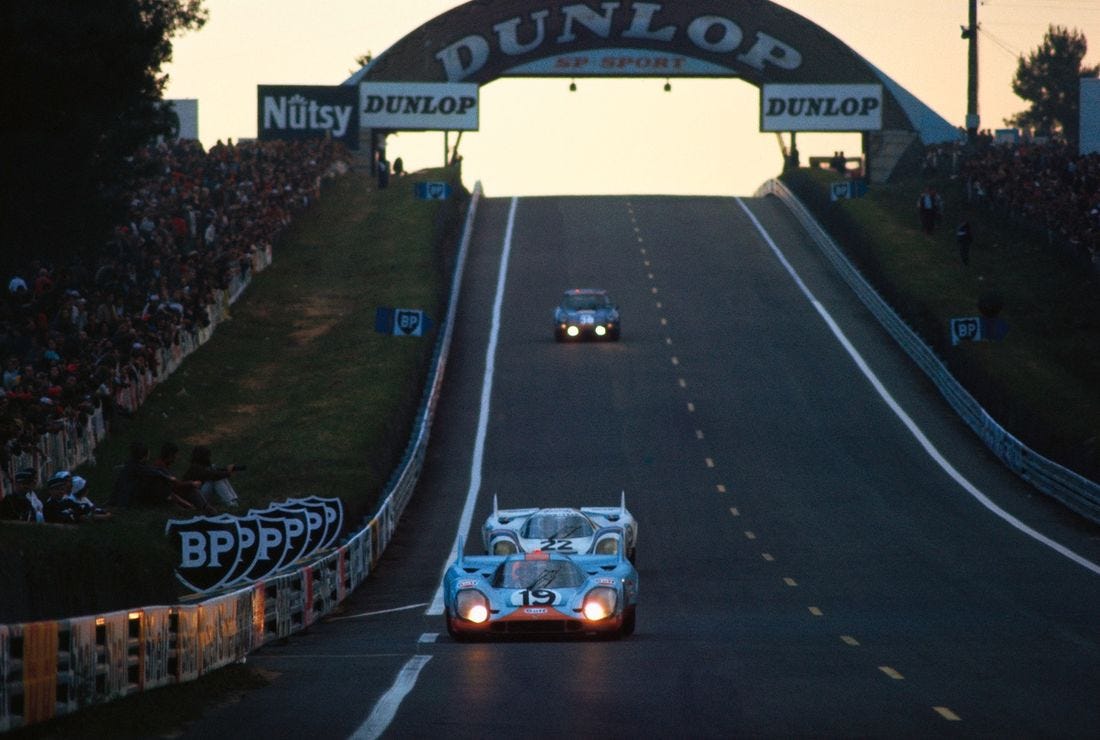
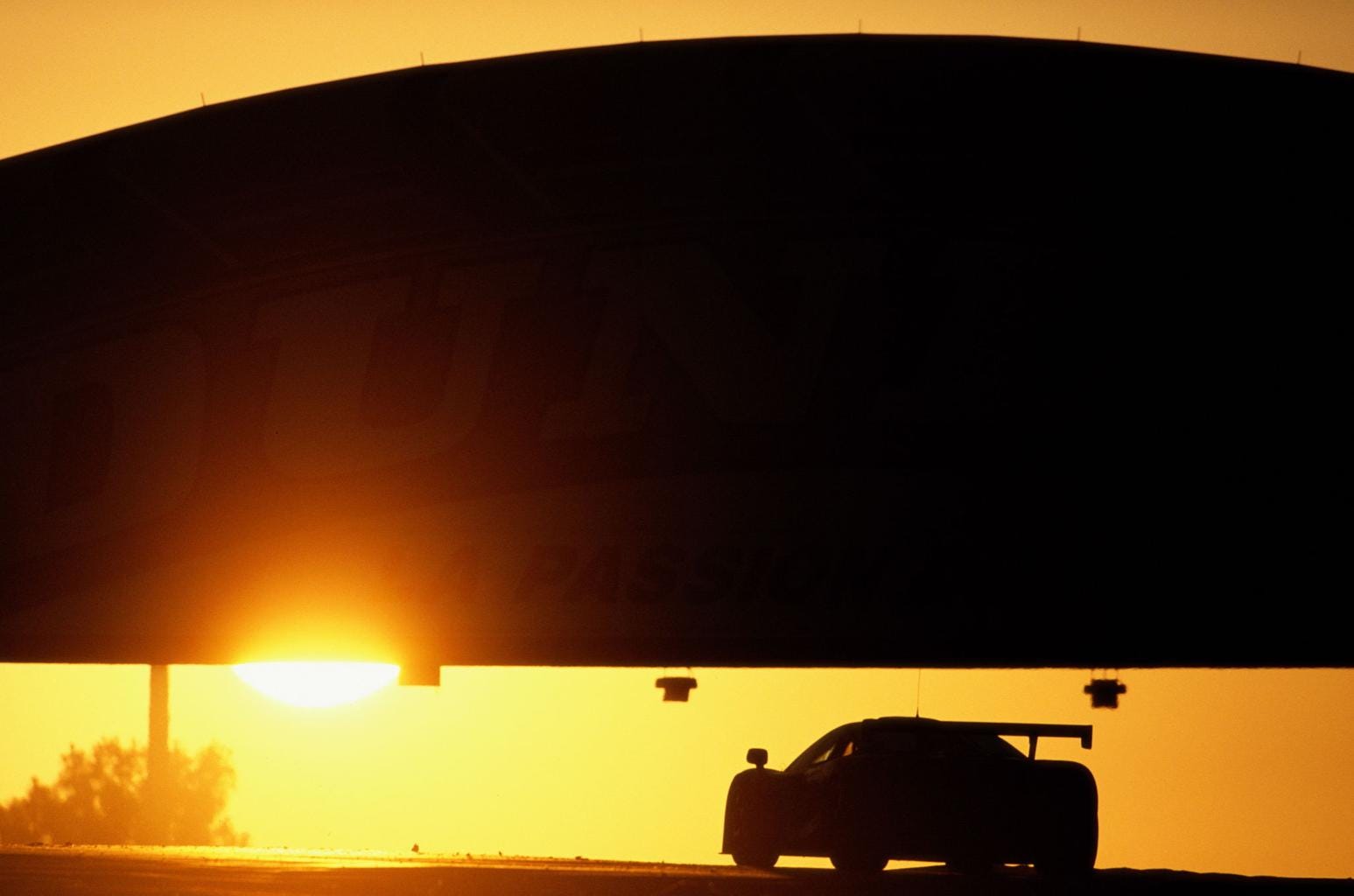
One of the most iconic locations at the circuit is the hill beneath the Dunlop Bridge. Cars crest the rise at high speed before plunging downhill toward the Esses.
Early in the race weekend, this area can provide excellent viewing opportunities before crowds grow larger on race day.
Tertre Rouge
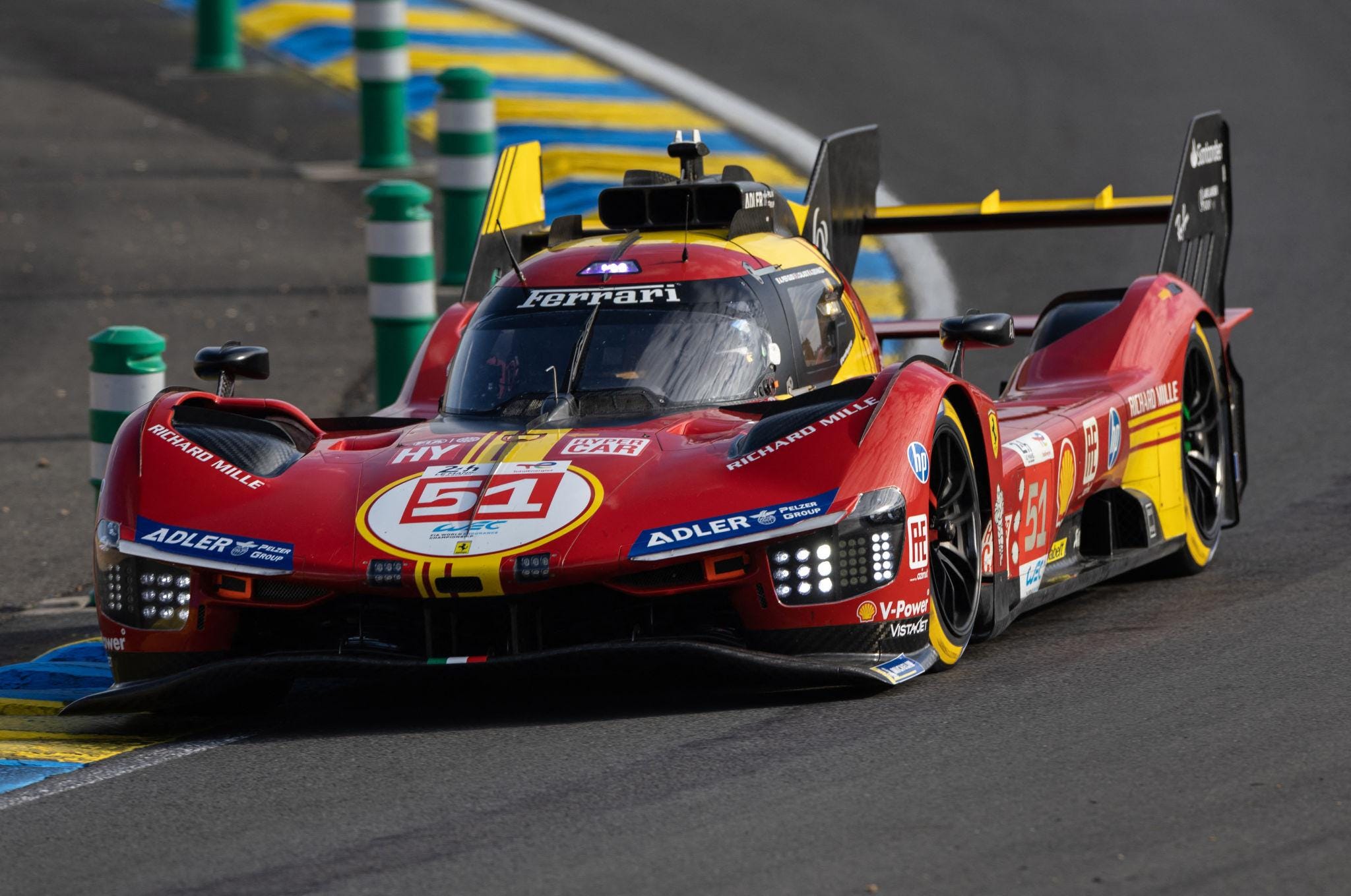
This corner marks the exit onto the legendary Mulsanne Straight. Watching prototypes accelerate out of Tertre Rouge and disappear toward the horizon is one of the defining sights of Le Mans.
Mulsanne Straight
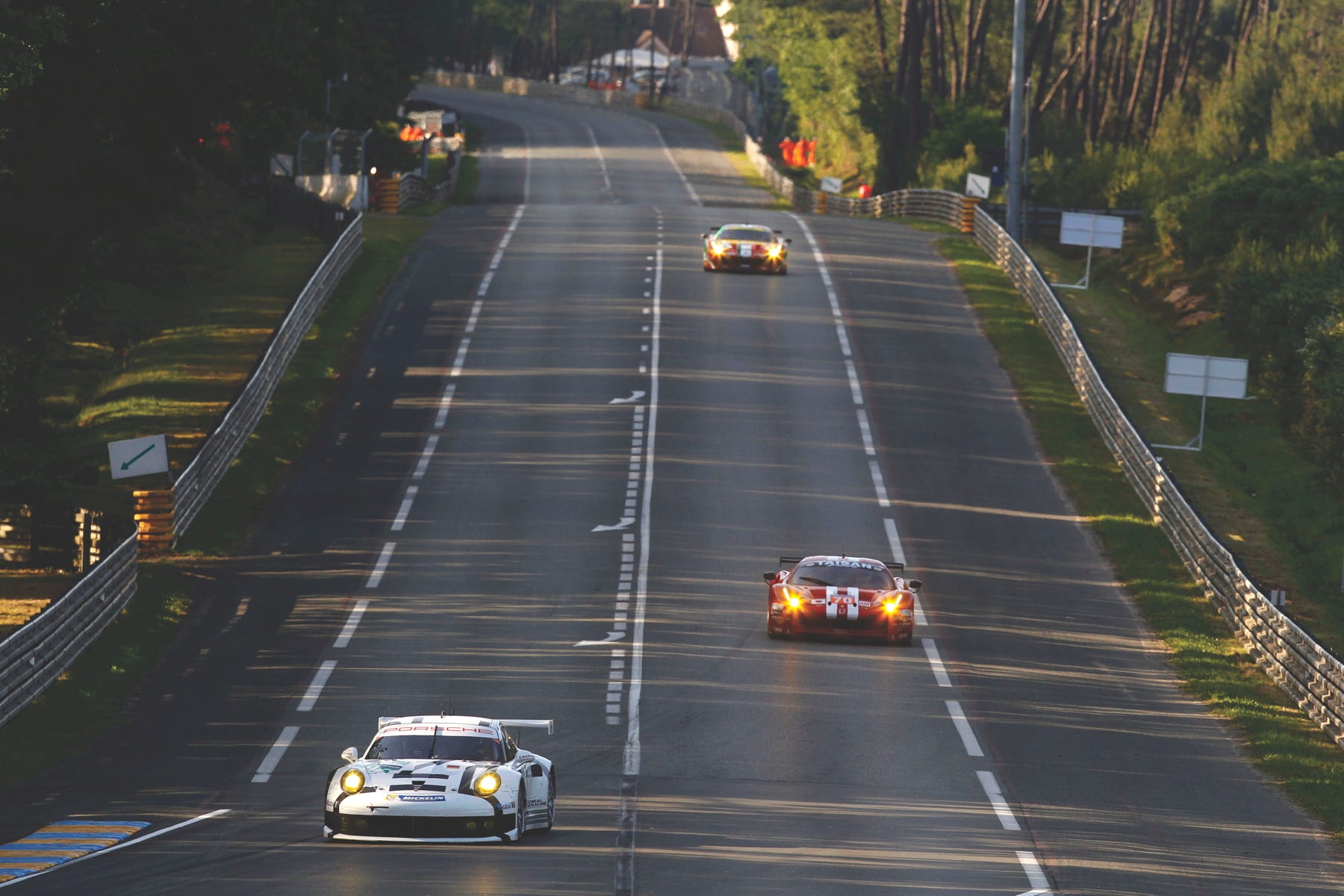
No section of the circuit is more closely associated with the legend of Le Mans than the Mulsanne Straight.
Stretching for several kilometers through the French countryside, the straight once allowed cars to reach extraordinary speeds before the introduction of two chicanes in 1990. Even today it remains one of the fastest sections of the track, where prototypes accelerate to well over 200 miles per hour before braking heavily for the corner at Mulsanne.
Although the straight itself has limited spectator access compared to other sections of the circuit, nearby areas such as Tertre Rouge and Mulsanne Corner provide excellent opportunities to witness the dramatic acceleration and braking that define this part of the lap.
Arnage
Arnage is one of the slowest corners on the circuit and offers excellent views of heavy braking and acceleration. Because of its distance from the main grandstands, it can sometimes feel less crowded than other areas.
Porsche Curves
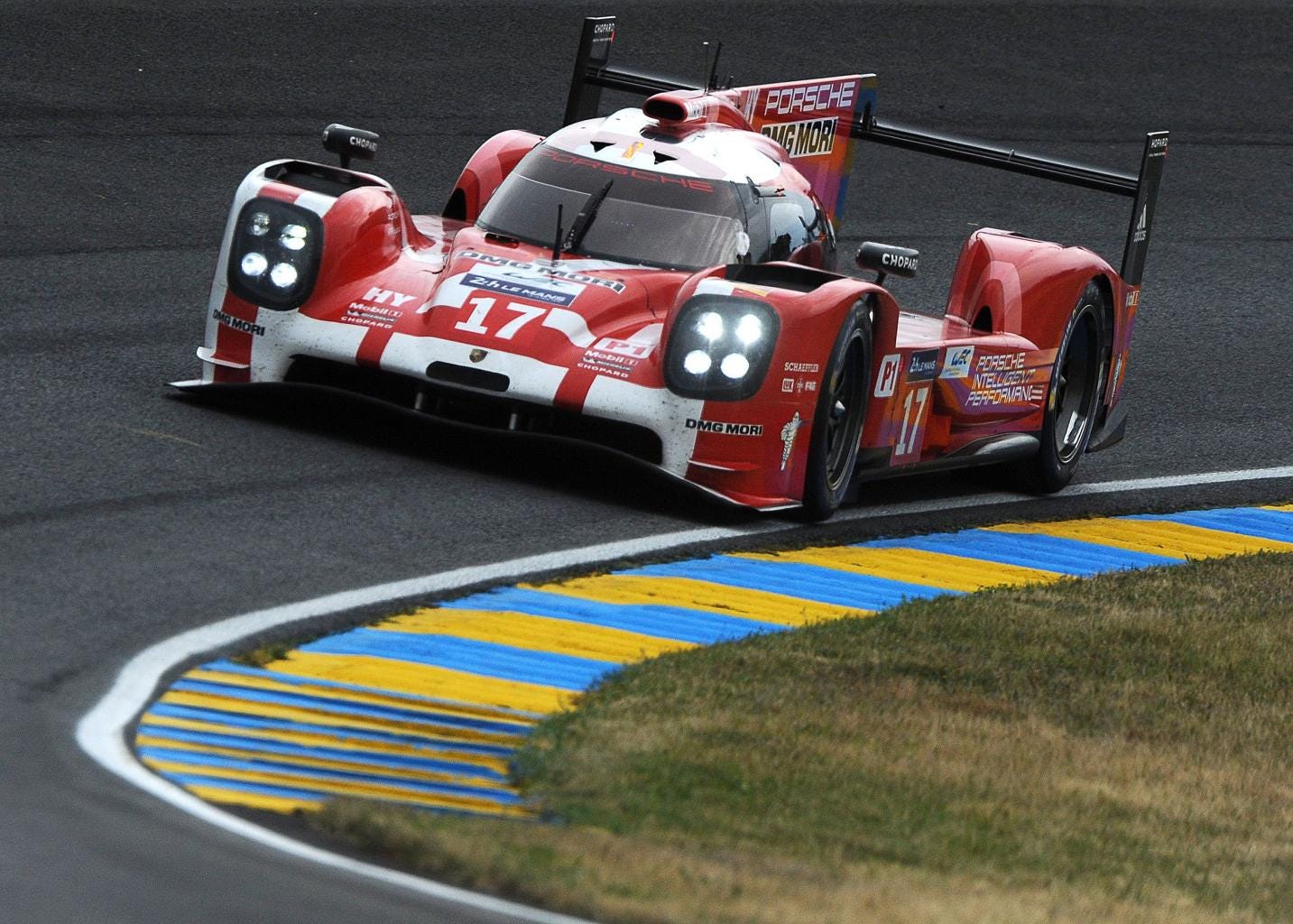
The Porsche Curves are among the most thrilling sections of the track. Watching cars sweep through this high-speed sequence provides a powerful reminder of the precision required to race here for twenty-four hours.
The Night Racing Experience
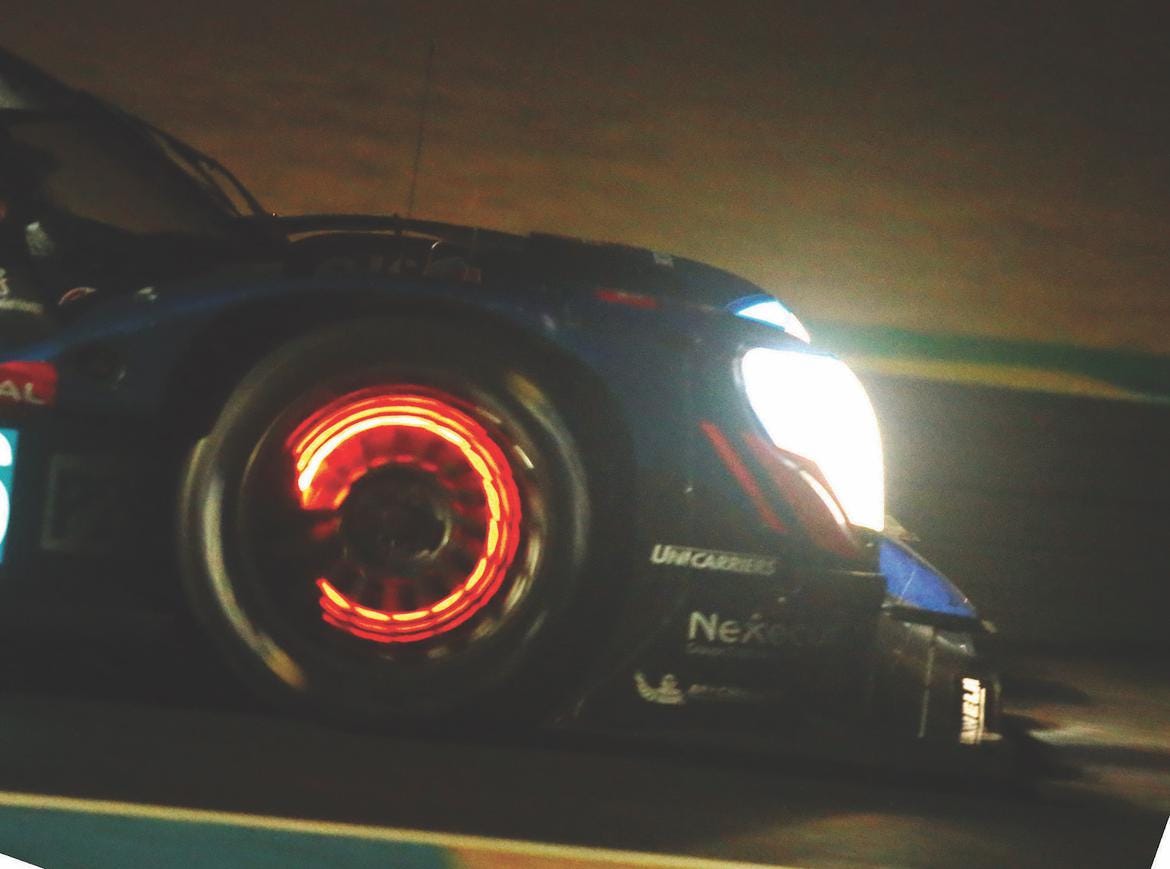
If there is one moment that every visitor should experience at Le Mans, it is the race after dark.
As night falls over the circuit, the atmosphere changes completely. Headlights cut through the darkness, glowing brake rotors illuminate corners, and the sound of engines echoes through the surrounding forests.
Walking the circuit at night—moving from corner to corner and watching cars flash past in the darkness—is one of the most memorable aspects of the entire event.
What to Pack for Le Mans
Preparing well for the race can make the difference between a comfortable weekend and a long day wishing you had brought a few extra essentials.
Because the circuit is so large, visitors spend a great deal of time walking between viewing locations. Comfortable walking shoes are one of the most important items to bring.
Weather conditions in June can vary. Days are often warm, but temperatures can drop noticeably after midnight. A light jacket or sweatshirt becomes particularly useful during the night hours when the race continues into the early morning.
Sun protection is also important. Much of the spectator viewing around the circuit is exposed, so sunscreen, sunglasses, and a hat can make long hours outdoors far more comfortable.
Many experienced Le Mans visitors also bring a small backpack with a few additional items:
• Portable phone charger
• Ear protection or noise-reducing earbuds
• Refillable water bottle
• Umbrella, light rain jacket or poncho
• Small flashlight or headlamp for walking at night
Having these on hand can make the long hours of the race far more enjoyable.
How to Experience the Full 24 Hours
Many first-time visitors try to stay awake for the entire race, but experienced attendees often approach the event more strategically.
The race begins in the late afternoon, and the opening hours provide some of the most dramatic action as the field settles into its rhythm. Watching the start from the main grandstand or nearby viewing areas offers an unforgettable introduction to the scale of the event.
As evening approaches, many spectators take time to walk the circuit and explore different corners. Seeing the cars from multiple locations—Dunlop Bridge, Arnage, and the Porsche Curves—reveals how varied the circuit truly is.
Night racing is often the most memorable part of the entire experience. The glowing brake discs, headlights piercing the darkness, and the quieter atmosphere around the track create a completely different mood from the daytime hours.
Sometime after midnight, many visitors take a break to rest, eat, or return briefly to their accommodations. Even a few hours of sleep can make the final morning of the race much more enjoyable.
By Sunday morning, the circuit begins to feel different again as anticipation builds toward the finish. Spectators gradually return to the grandstands and viewing areas to watch the final hours unfold.
The final laps and the checkered flag bring the entire experience to a powerful conclusion—twenty-four hours of racing distilled into a moment that every fan in attendance will remember.
A Note for Non-Motorsport Fans
Many visitors attend Le Mans with friends or family members who may not be dedicated motorsport fans.
Fortunately, the event offers far more than racing alone. The circuit hosts concerts, exhibitions, food markets, and numerous activities throughout the weekend.
Closing
For those who love automobiles, racing history, and travel, few journeys feel as meaningful as the pilgrimage to Le Mans. It is not simply a race — It is a destination.
Call to Action
If you enjoyed this guide, subscribe to The Grand Touring Journal for future stories exploring the world’s great motorsport destinations.
For those who aren’t aware of it, this is the best race of all time, period.